
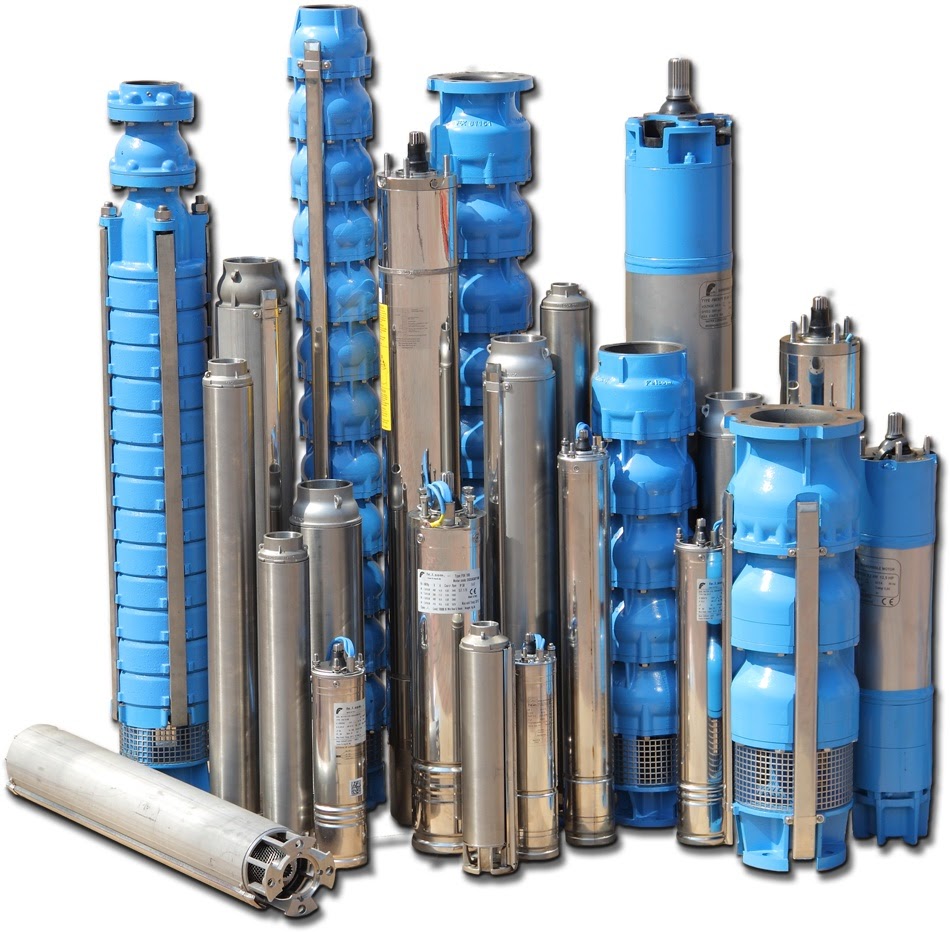
Submersible Pumps
Submersible pumps are designed to operate efficiently while fully submerged in the fluid they are pumping. One of their most significant features is their sealed motor, which prevents water from entering and damaging the electrical components. This design allows the pump to be placed directly in the fluid source, such as a well or tank, without requiring additional support or protection. The motor is typically enclosed in a watertight casing, enabling it to handle deep immersion and operate in various fluid environments.
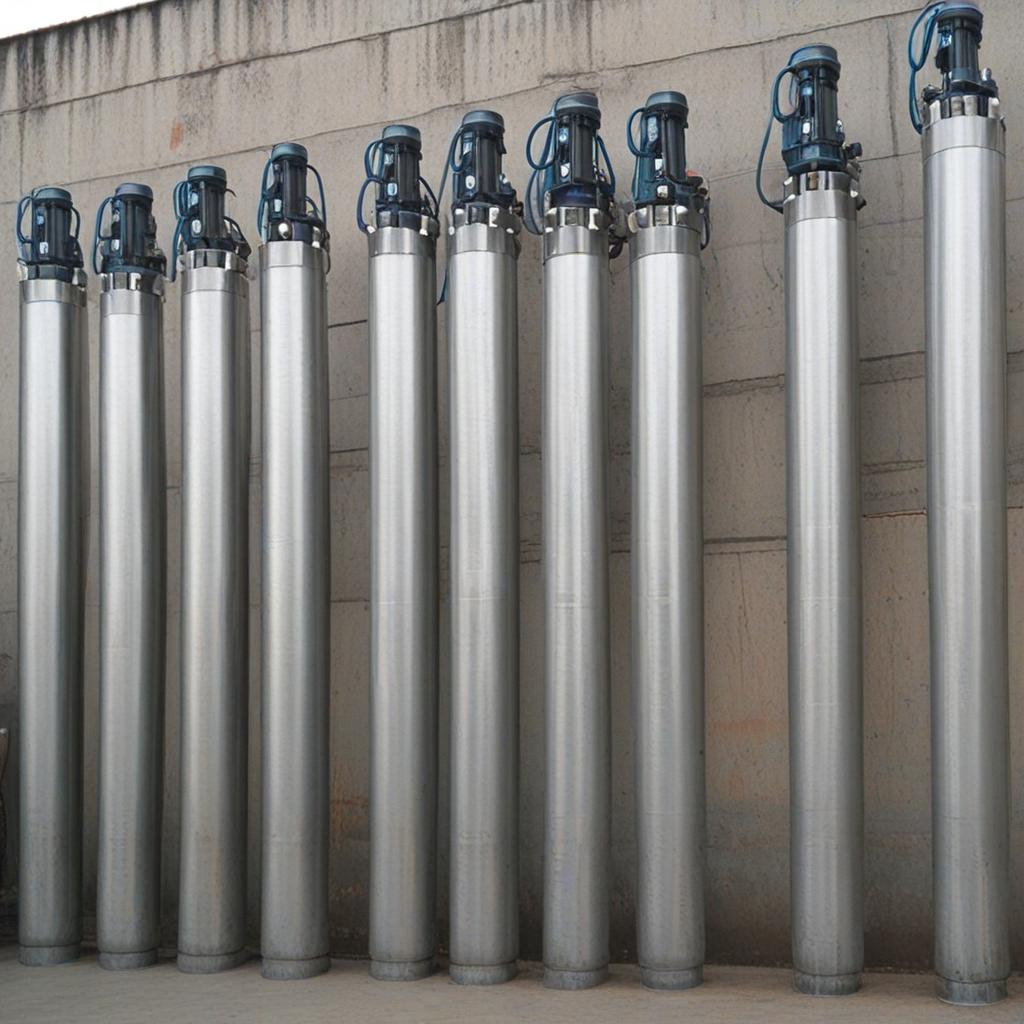
Submersible Pumps
The motor is enclosed in a watertight casing to prevent damage from the fluid. This allows the pump to be fully submerged. Designed to operate efficiently while submerged, which helps in cooling the motor and reducing the risk of overheating. Pumping sewage or wastewater from homes or businesses to treatment facilities.
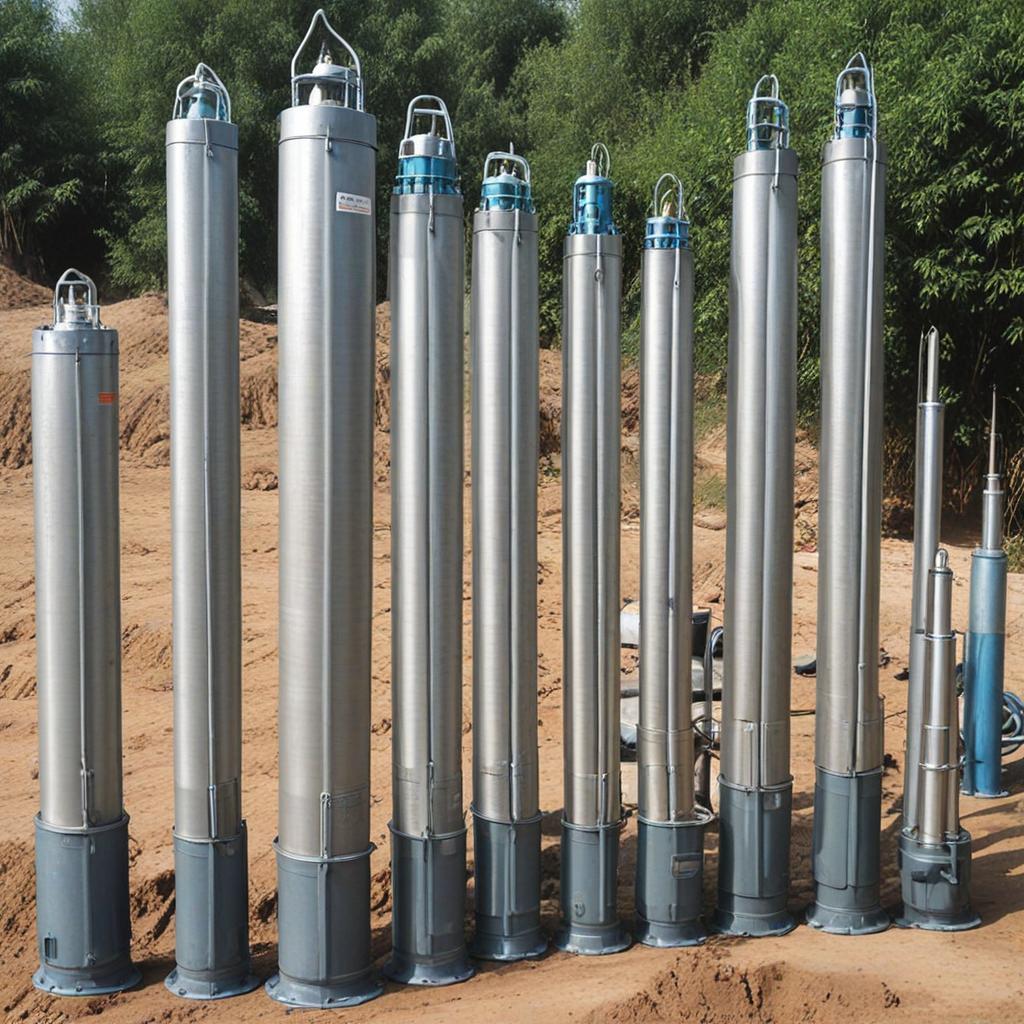
Submersible Pumps
Used in a variety of applications, including groundwater extraction, drainage, sewage treatment, and fountain systems.Removing water from flooded areas or managing groundwater in construction sites.Extracting water from deep wells for residential, agricultural, or industrial use.
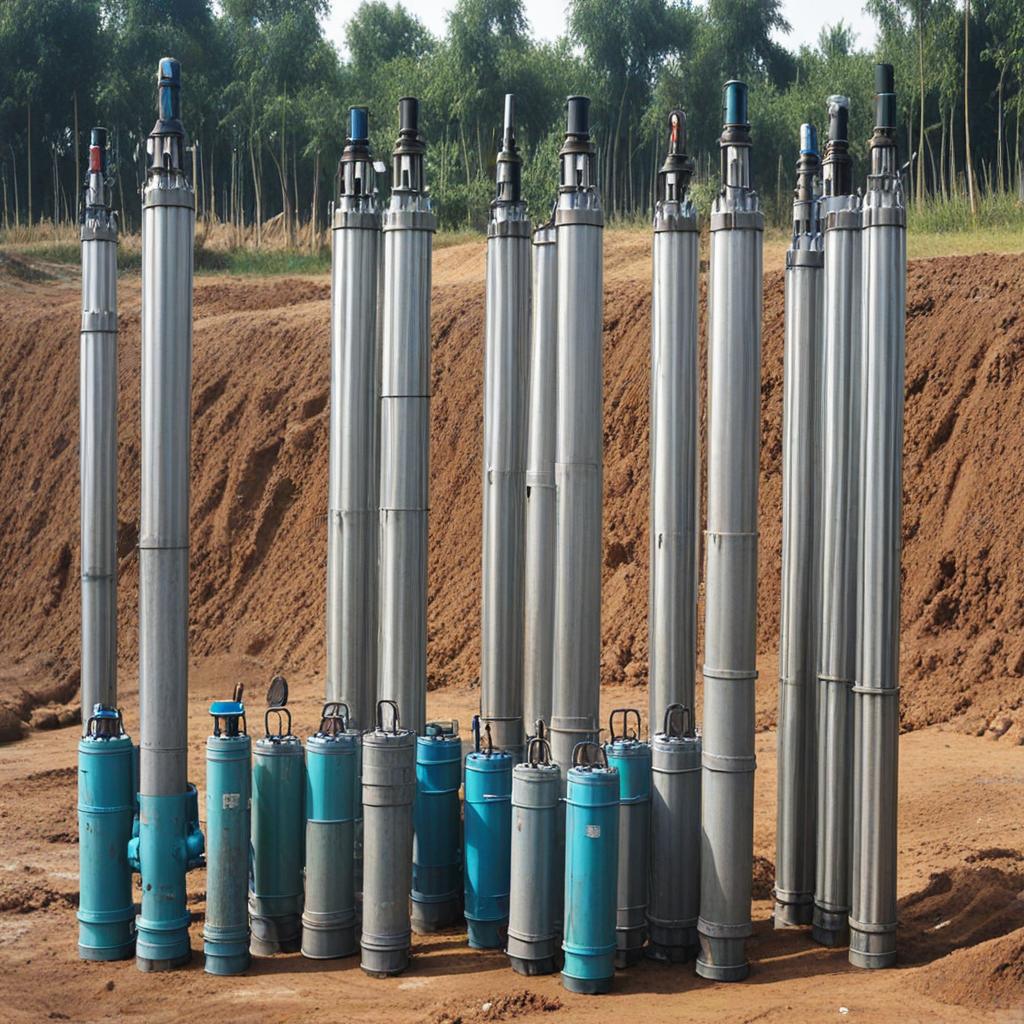
Submersible Pumps
Submersible pumps are versatile and can be used in various applications, including domestic water supply, irrigation, drainage, and industrial processes. Their ability to operate efficiently while submerged makes them ideal for environments where traditional pumps would be less effective or practical. Overall, submersible pumps offer a reliable and efficient solution for managing fluids, combining robust construction, ease of use, and advanced features to meet a wide range of pumping needs.
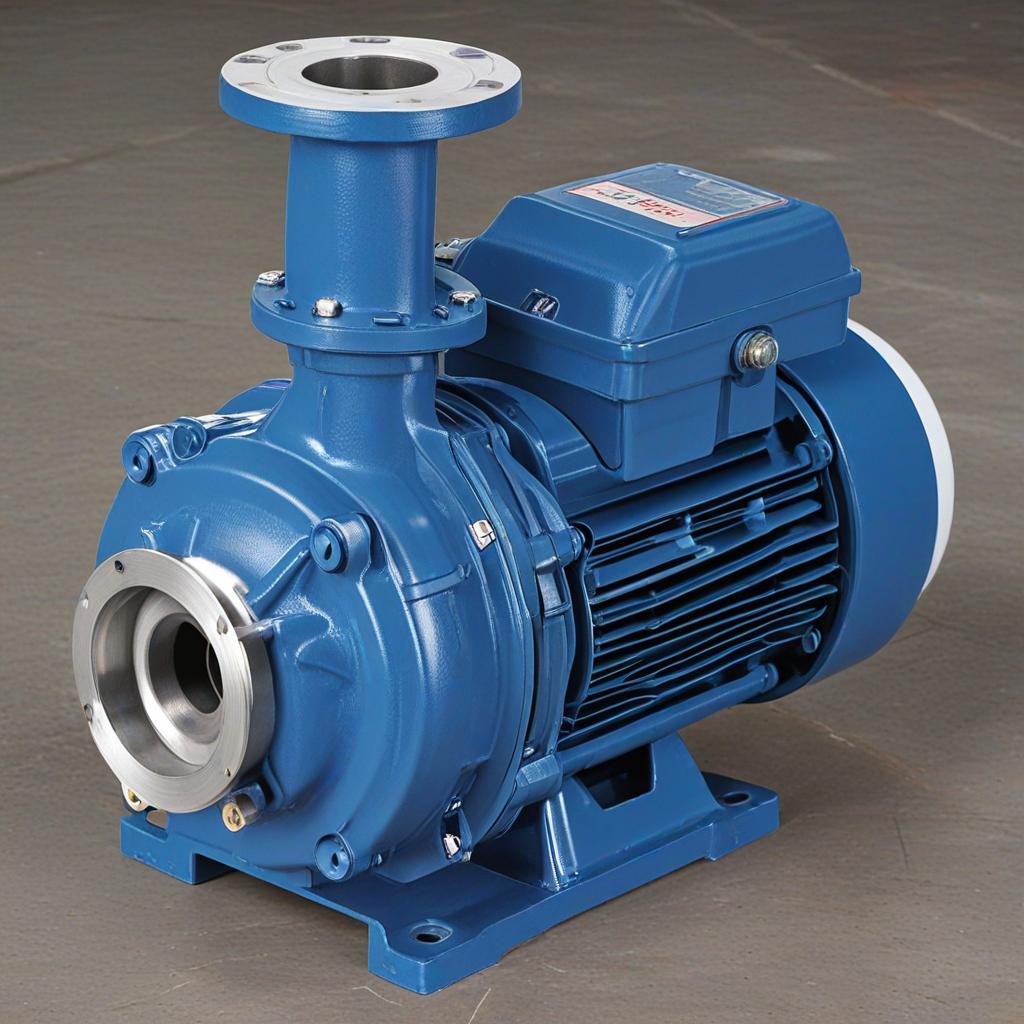
Openwell Submersible Pumps
Openwell submersible pumps are valued for their high flow rates and reliable operation. They are capable of delivering substantial volumes of water, making them suitable for various applications such as filling tanks, irrigation, and providing water for domestic use. Their ease of installation and maintenance further adds to their appeal, as they can be quickly deployed and serviced with minimal effort. Overall, openwell submersible pumps are an effective solution for managing water resources in a range of settings, combining durability, efficiency, and ease of use.
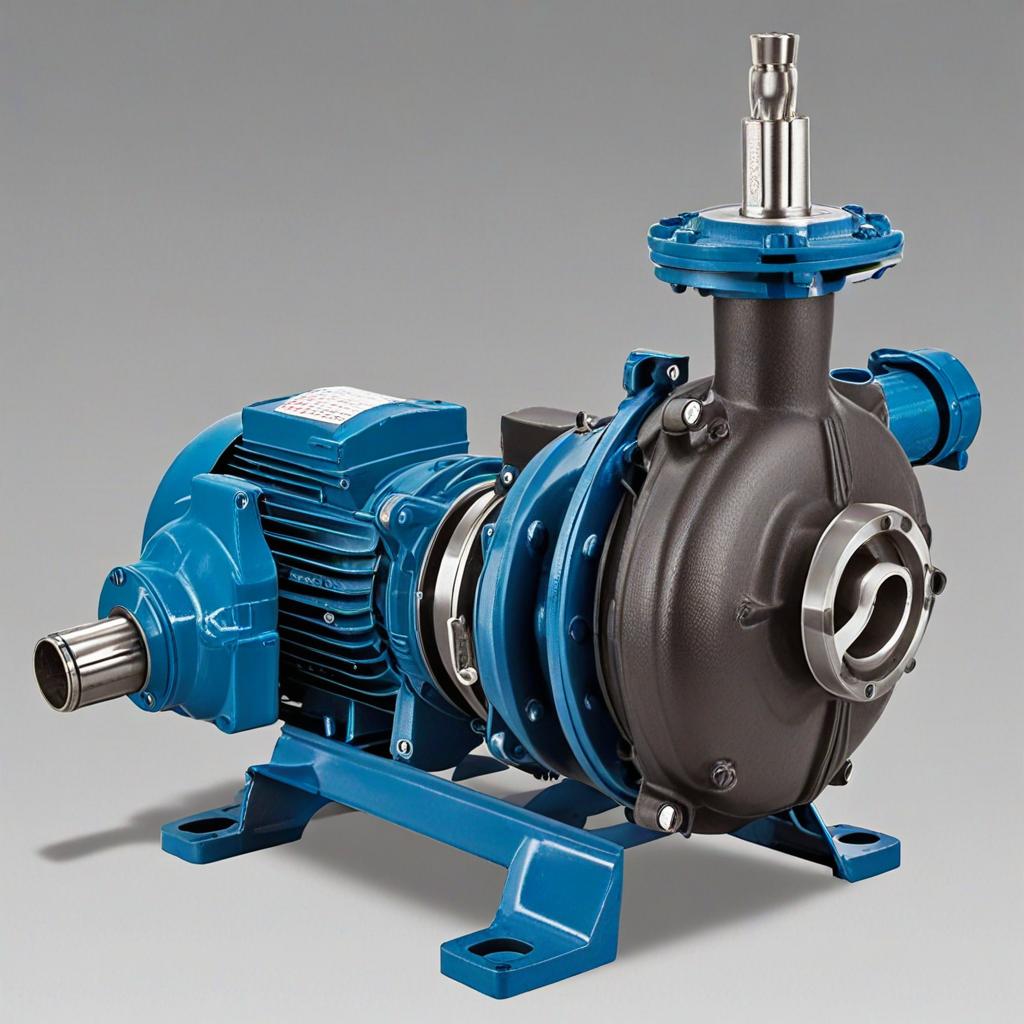
Openwell Submersible Pumps
One of the key features of openwell submersible pumps is their robust and corrosion-resistant construction. Made from high-quality materials such as stainless steel and cast iron, these pumps are built to withstand harsh operating conditions and ensure long-lasting performance. The pump's design includes a built-in motor that is sealed to protect against water ingress, allowing it to operate efficiently while fully submerged. Additionally, these pumps often come equipped with features like automatic float switches to control the pump operation based on water levels, enhancing convenience and efficiency.
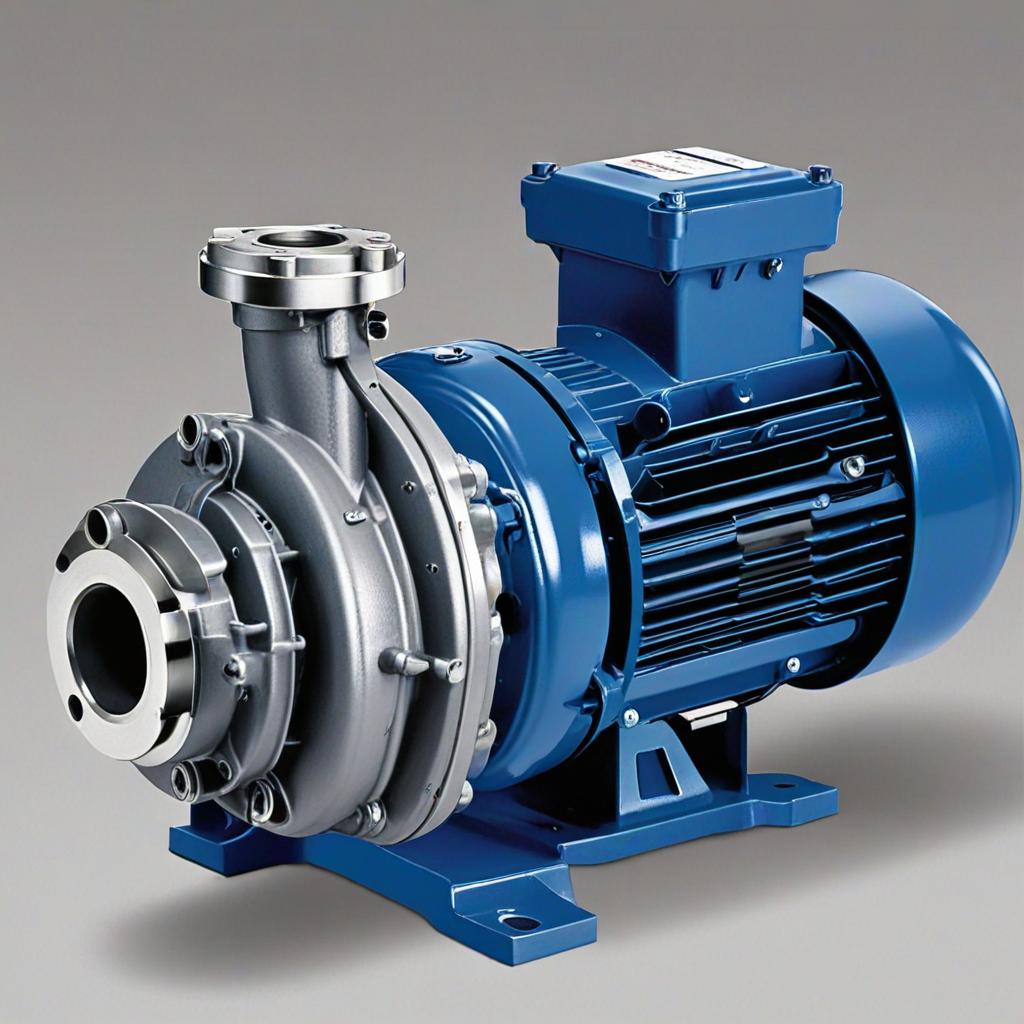
Openwell Submersible Pumps
Openwell submersible pumps are specifically designed for applications where the pump needs to be submerged in an open well or water source. Unlike deep well submersible pumps, which are typically used in deep boreholes, openwell submersible pumps are suited for shallower water sources. These pumps are constructed to handle water with varying levels of suspended solids, making them ideal for use in agricultural irrigation, water supply systems, and drainage applications.
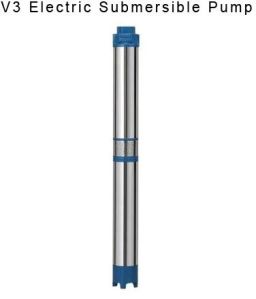
V3 Submersible Pumps
The V3 submersible pump is typically designed for smaller, residential applications or shallow wells. It features a diameter of around 3 inches (75 mm) and is known for its compact size, making it suitable for confined spaces. This pump is ideal for applications such as domestic water supply, garden irrigation, and small-scale water transfer. Despite its smaller size, the V3 submersible pump provides reliable performance with moderate flow rates and head pressures, making it a cost-effective solution for low to moderate pumping needs.
V4 Submersible Pumps
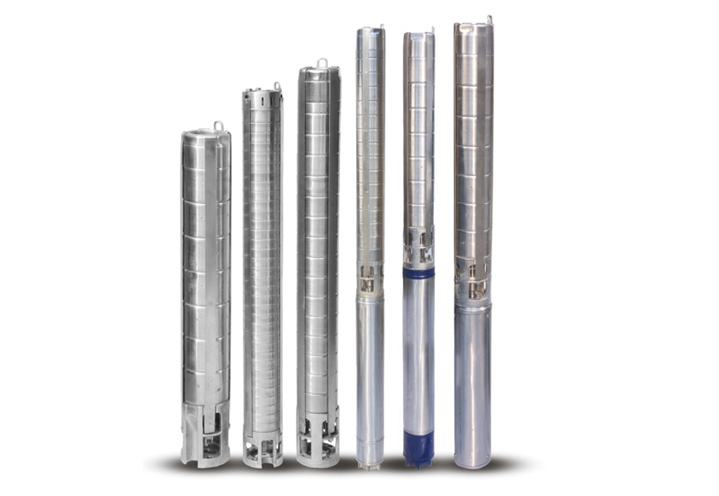
The V4 submersible pump has a diameter of approximately 4 inches (100 mm), offering a slightly higher capacity compared to the V3 model. This type of pump is commonly used in residential and small commercial applications where the water source is a shallow well or a cistern. The V4 pump is well-suited for delivering higher flow rates and pressures, making it appropriate for applications such as irrigation systems, water supply for homes, and low-pressure boosting. Its compact design allows it to fit in narrow wells, while its enhanced performance capabilities provide a balance of efficiency and power.
V6 Submersible Pumps
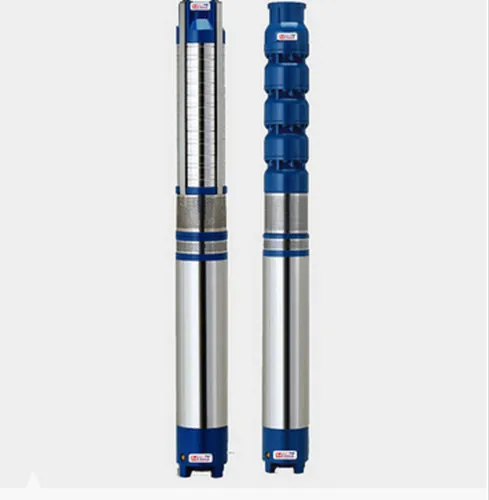
With a diameter of about 6 inches (150 mm), the V6 submersible pump is designed for more demanding applications compared to the V3 and V4 models. It is suitable for use in medium to large wells and can handle higher flow rates and pressures. This pump is often used in agricultural irrigation, industrial applications, and large-scale water supply systems. The V6 pump's robust construction and higher capacity make it ideal for situations where more substantial water delivery is required, such as filling large tanks or providing water for extensive irrigation systems.
V8 Submersible Pumps
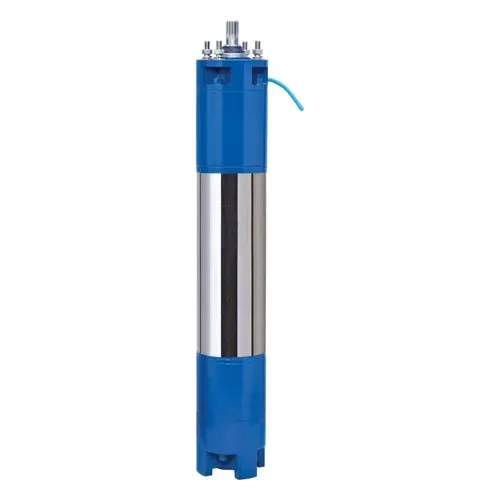
The V8 submersible pump, with a diameter of around 8 inches (200 mm), is built for high-performance applications. This pump is commonly used in deep wells and can handle very high flow rates and pressures. It is ideal for industrial applications, municipal water supply systems, and large-scale irrigation projects. The V8 pump is designed for durability and efficiency, with a strong motor and advanced engineering to handle demanding conditions. Its larger size allows for more substantial water handling, making it suitable for high-capacity needs.
V10 Submersible Pumps
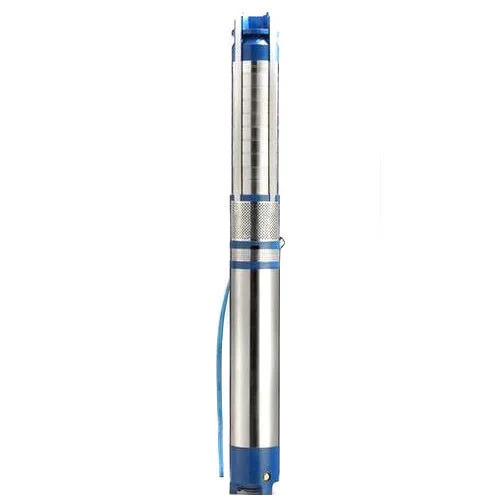
The V10 submersible pump, with a diameter of approximately 10 inches (250 mm), is designed for the most demanding pumping applications. It is used in large wells and can deliver extremely high flow rates and pressures. This pump is typically employed in heavy-duty industrial applications, large-scale municipal water systems, and extensive agricultural projects. The V10 pump features advanced technology and a robust design to ensure reliable performance in the most challenging conditions. Its large capacity and high power make it suitable for high-volume water extraction and distribution.
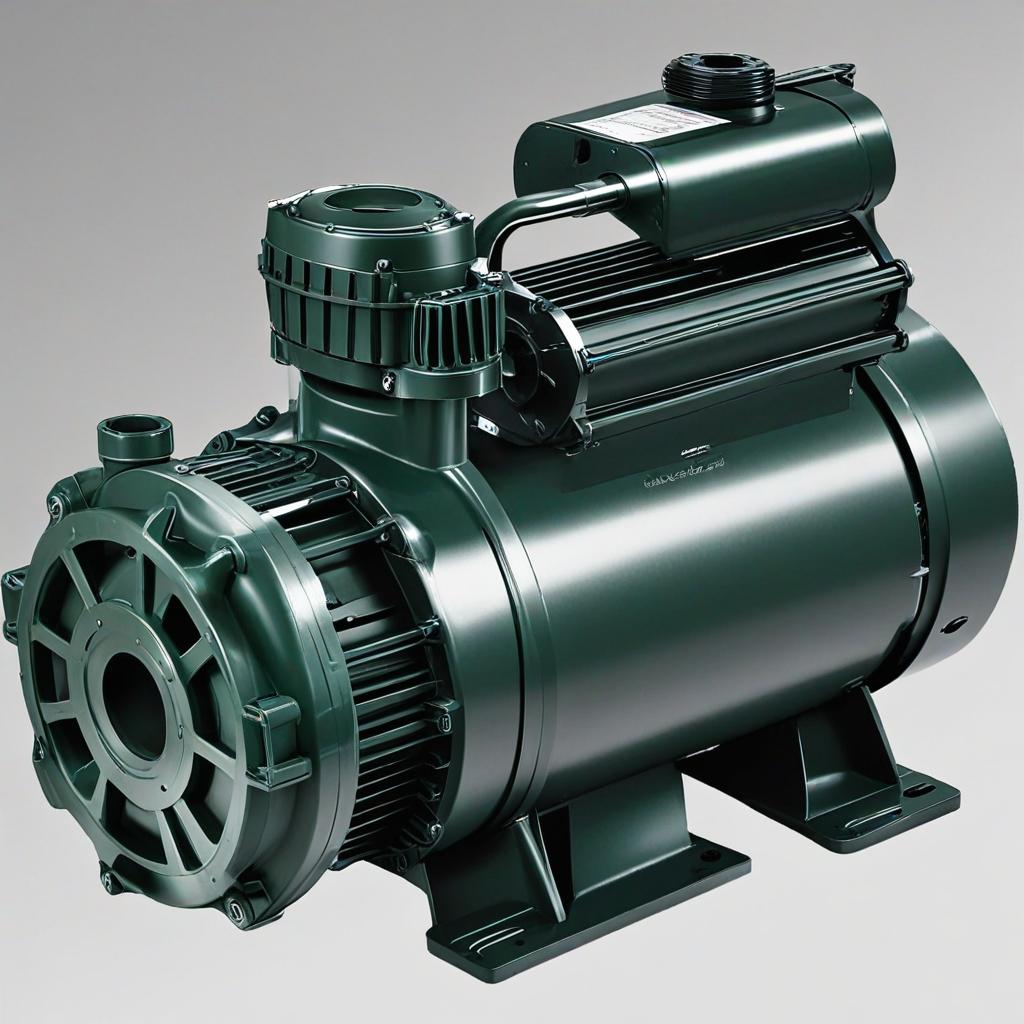
Centrifugal Monoblock Pumps
The pump and motor are combined into a single unit, which simplifies installation and reduces the space required compared to separate pump and motor assemblies. Designed to be compact and durable, making them suitable for various applications in both residential and industrial settings.
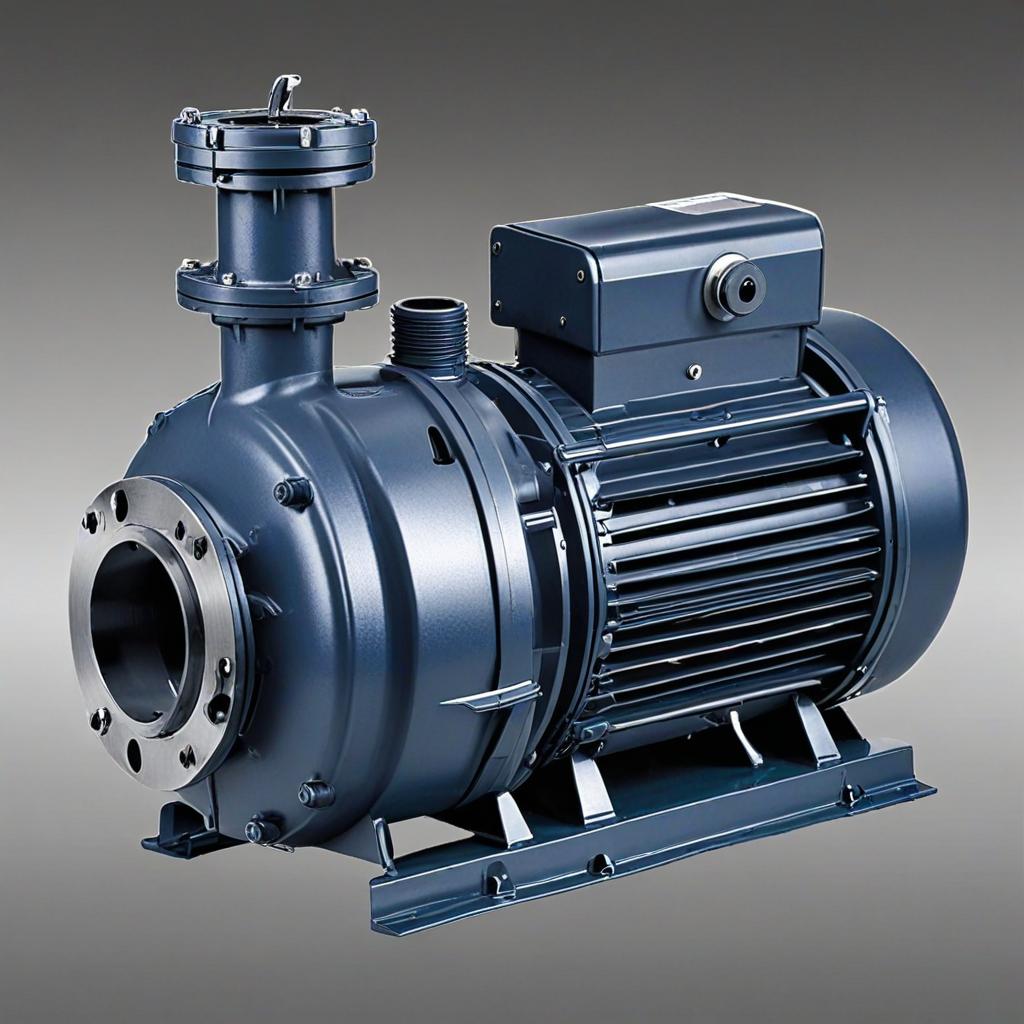
Centrifugal Monoblock Pumps
Used for supplying water in residential settings, including homes and small buildings. Ideal for agricultural irrigation systems, providing water for crops and gardens.
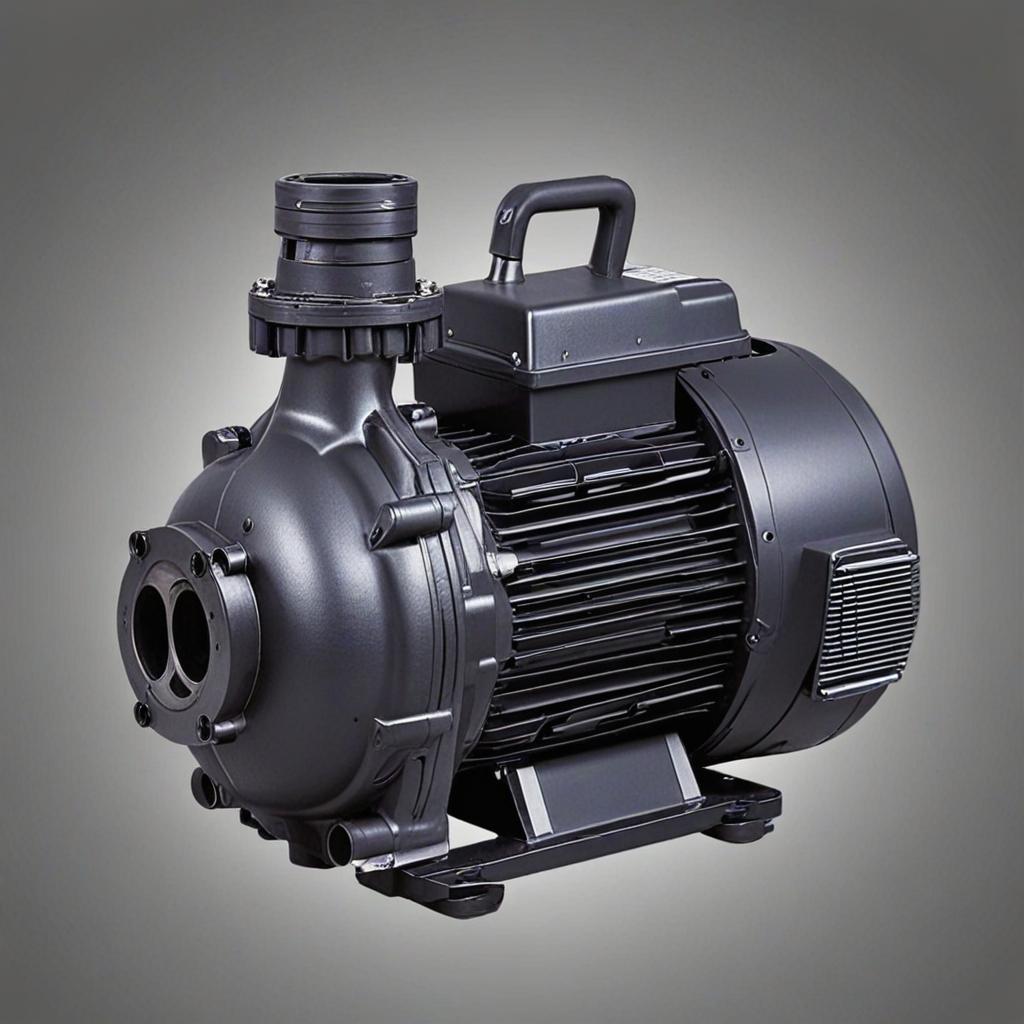
Monoblock Pumps
Monoblock pumpsets are compact, integrated units where the pump and motor are combined into a single assembly. They offer efficient performance, low maintenance, and ease of installation. Ideal for applications like domestic water supply, irrigation, and industrial processes, they provide cost-effective and reliable solutions with a reduced footprint.
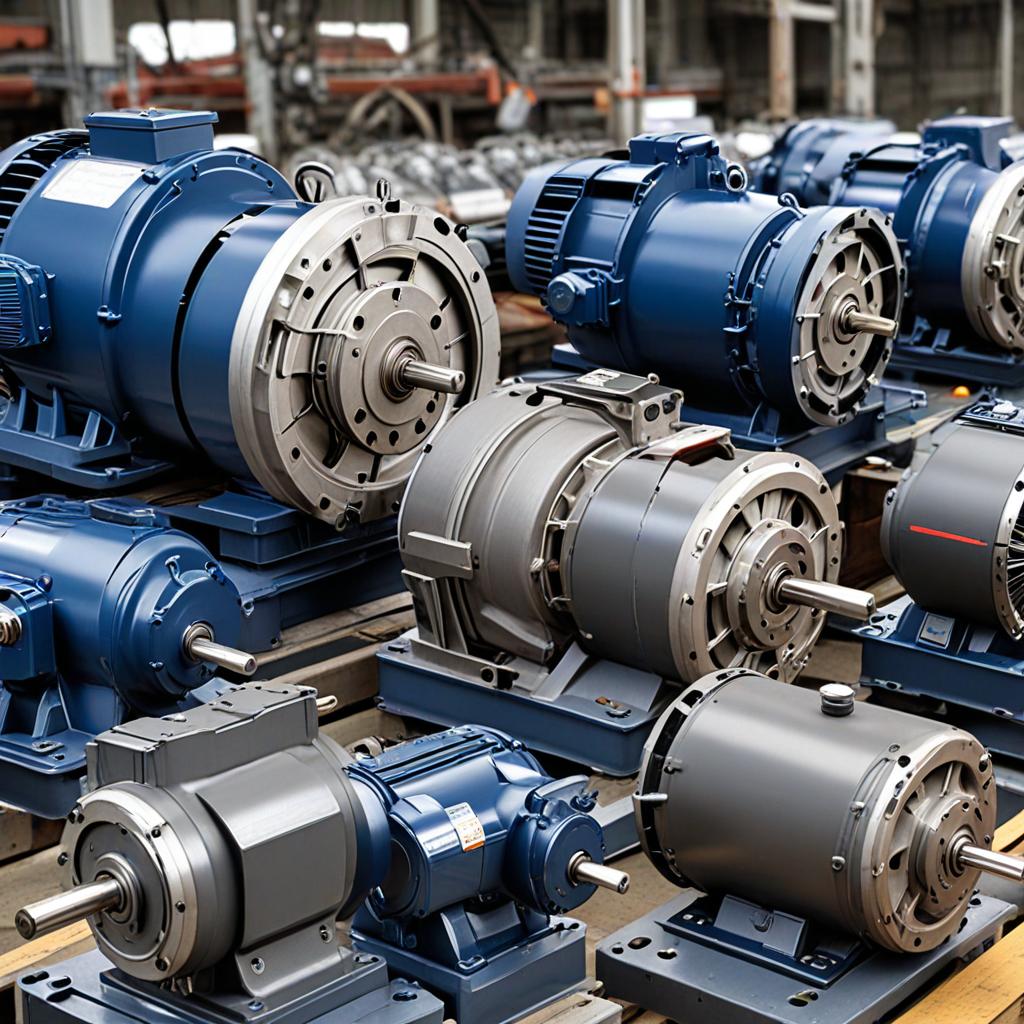
Electric Motors
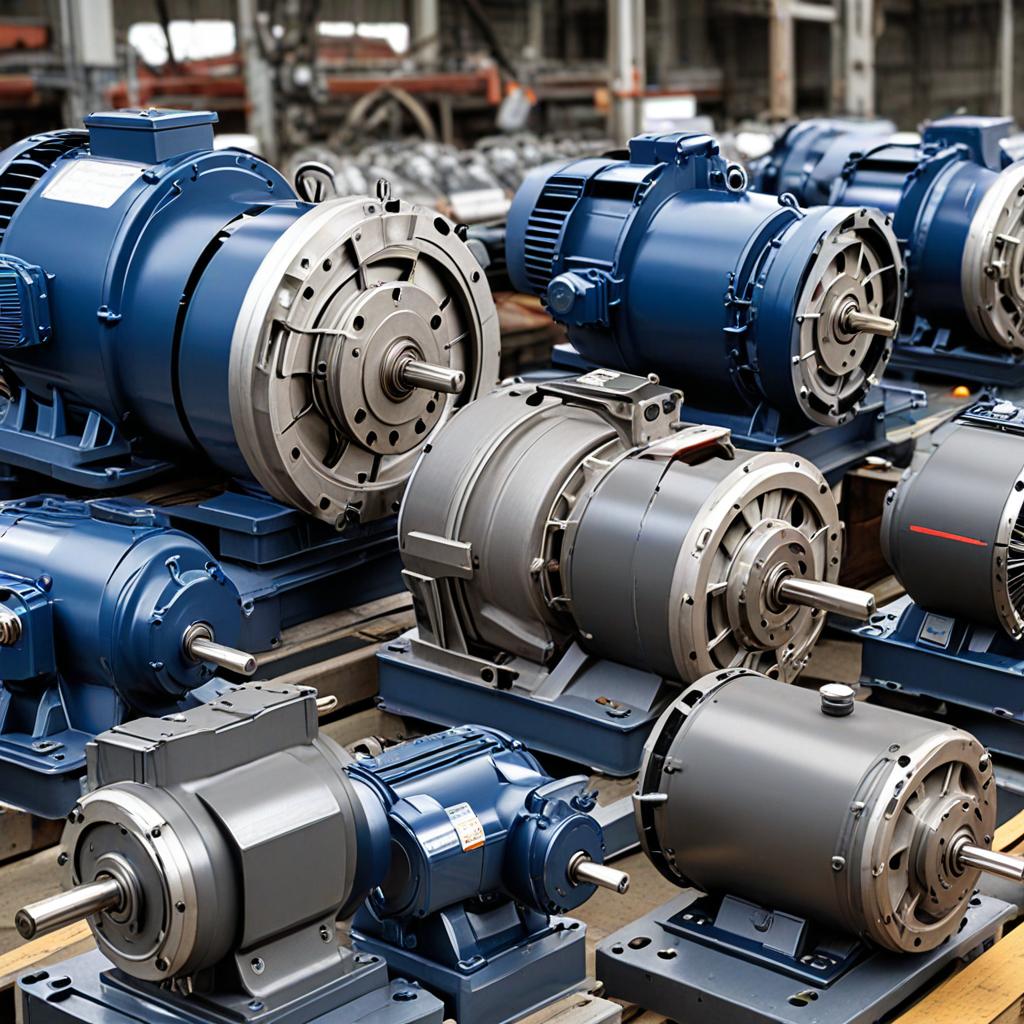
Electric motors are essential components used across various industries for powering machinery and equipment. These motors are renowned for their reliability and efficiency, catering to a wide range of applications including agricultural, industrial, and commercial uses. Indian electric motors come in various types and sizes, such as induction motors, synchronous motors, and direct current (DC) motors, each designed to meet specific operational needs. The motors are built to conform to international quality standards, ensuring durability and consistent performance even under challenging conditions.
Electric Motors
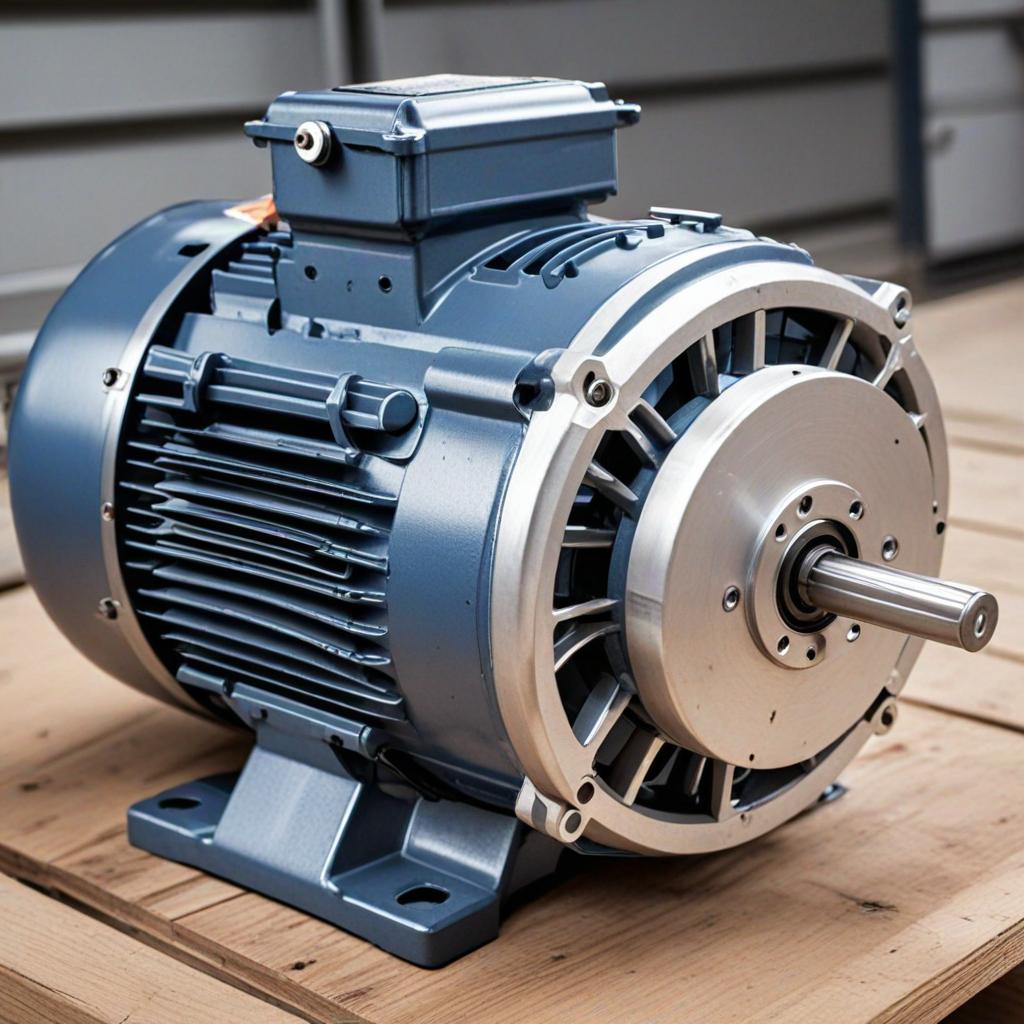
Electric motors are also characterized by their versatility and adaptability. They are available in various configurations and power ratings, making them suitable for diverse applications ranging from small household appliances to large industrial machinery. The growing emphasis on technological advancements has led to the development of motors with features such as variable frequency drives (VFDs), which allow for precise control of speed and torque. This adaptability ensures that Indian electric motors can meet the evolving demands of modern industries while maintaining high performance and reliability.
Electric Motors
Key features of electric motors include their efficiency, reliability, and low maintenance requirements. They are designed to provide smooth and consistent performance while minimizing energy loss. Electric motors are integral to modern technology, powering everything from small gadgets to large industrial systems, making them essential for both everyday use and advanced technological processes.
Distribution Transformer
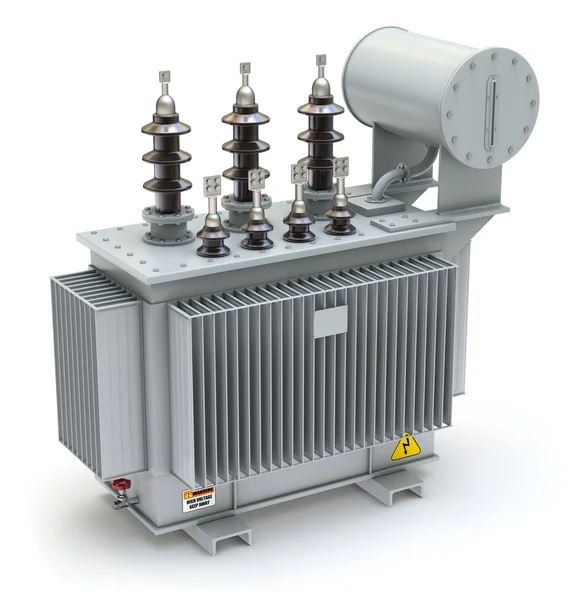
A distribution transformer is a crucial component in electrical power systems, designed to step down high-voltage electricity from transmission lines to a lower voltage suitable for end-user consumption. Typically installed at the local level, these transformers ensure that electricity is delivered safely and efficiently to residential, commercial, and industrial users. They are usually mounted on poles or installed in enclosures on the ground, depending on the application and the voltage levels involved.
Distribution Transformer
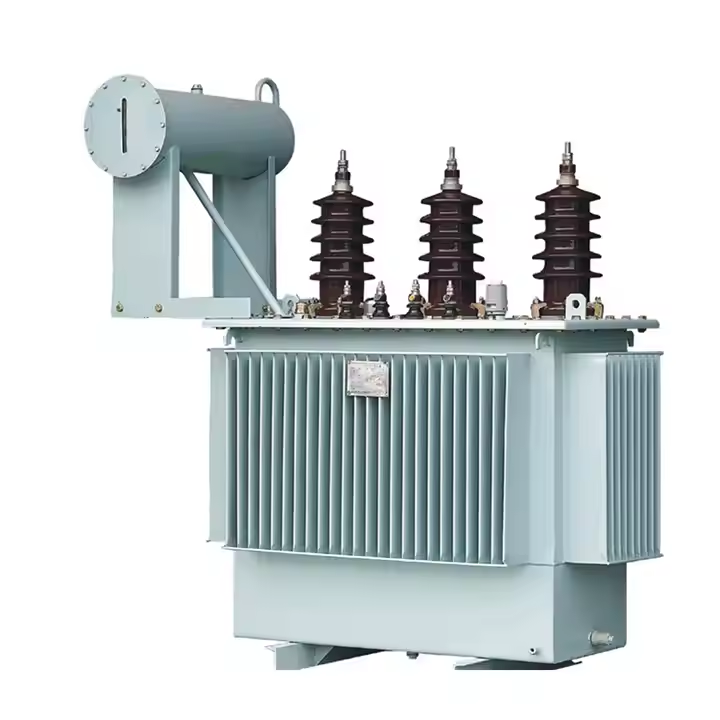
The primary advantage of distribution transformers is their ability to provide a stable and reliable supply of electricity while adapting to varying load conditions. They are designed to be energy-efficient, reducing losses during power transmission and distribution. These transformers are used in a variety of settings, including urban and rural areas, to power homes, schools, businesses, and industries. Their versatility and durability make them essential for modern electrical infrastructure, enabling the effective distribution of electrical power across vast networks.
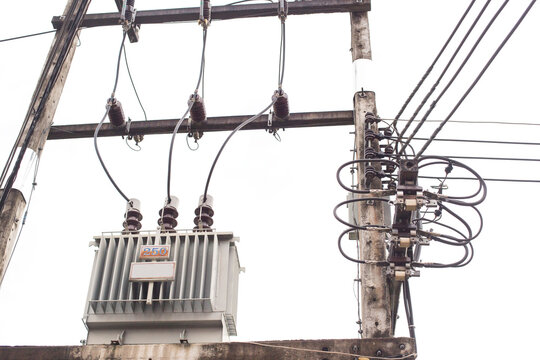
Distribution Transformer
Distribution transformers are characterized by their robust construction and reliable performance. They feature a core made of laminated silicon steel, which minimizes energy losses and improves efficiency. The winding, often made of copper or aluminum, is insulated to handle the voltage transformation with minimal leakage. Additionally, these transformers come with various protective devices, such as fuse links and circuit breakers, to ensure operational safety and prevent damage from electrical faults or overloads.
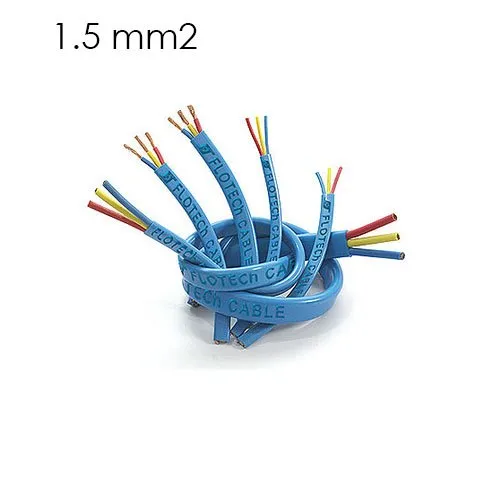
1.5 mm² Submersible Cables
Small domestic submersible pumps, garden fountains, and low-power underwater equipment.
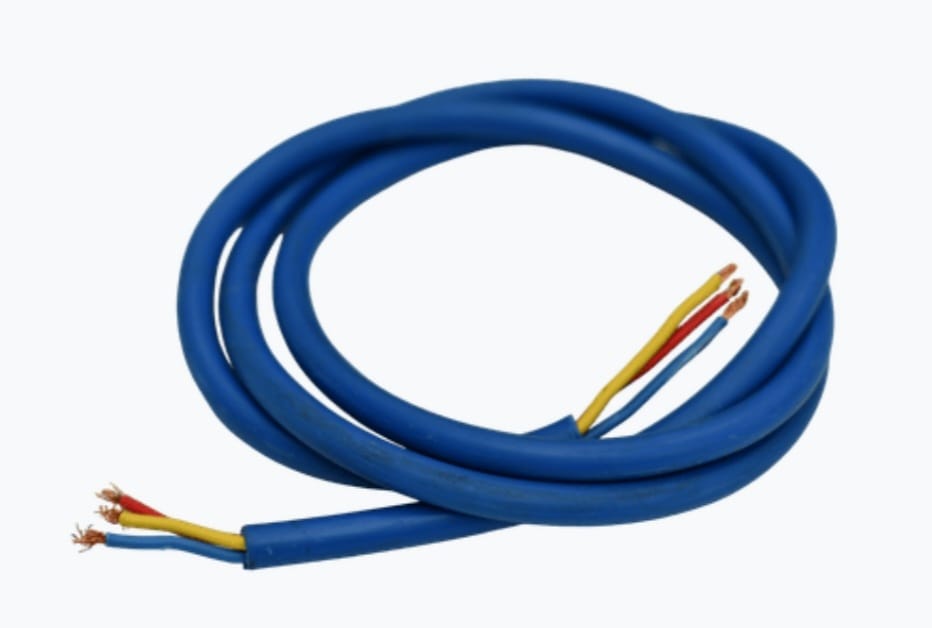
2.5 mm² Submersible Cables
Medium-sized residential pumps, small irrigation systems, and light industrial applications.
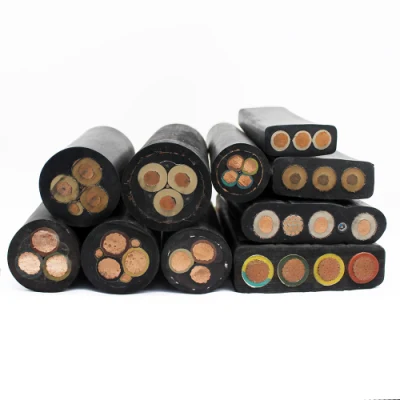
4 mm² Submersible Cables
Larger domestic pumps, small to medium agricultural irrigation systems, and moderate industrial equipment.
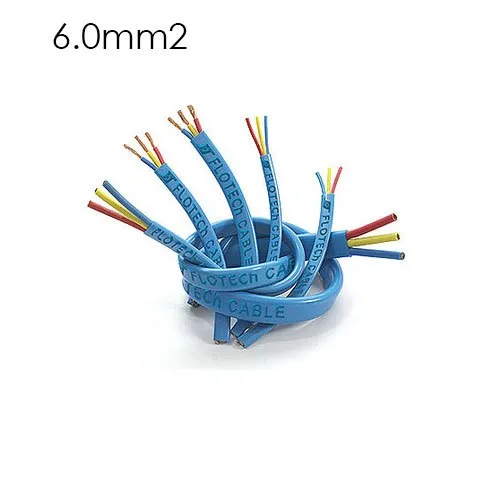
6 mm² Submersible Cables
Medium to large residential pumps, larger irrigation systems, and small industrial pumps.
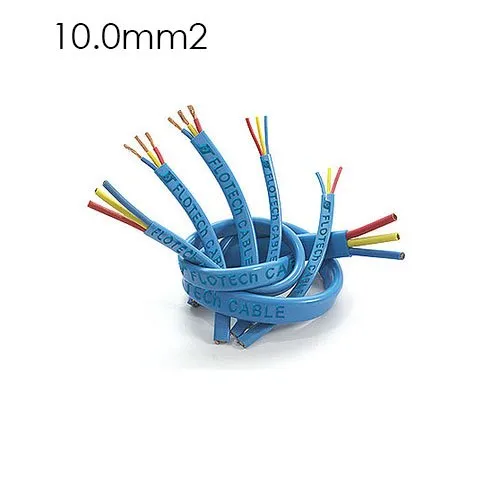
10 mm² Submersible Cables
Large submersible pumps, deep-well applications, and industrial water management systems.
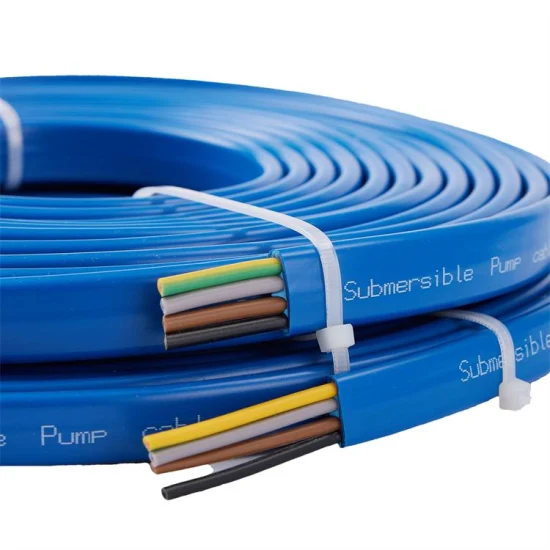
25 mm² Submersible Cables
Large industrial and commercial pumps, large-scale water treatment systems, and high-power irrigation systems.
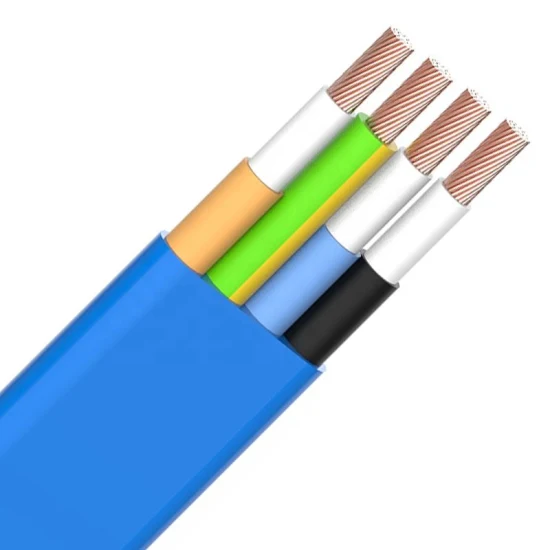
35 mm² Submersible Cables
Very large pumps, major industrial water management, and high-power applications.
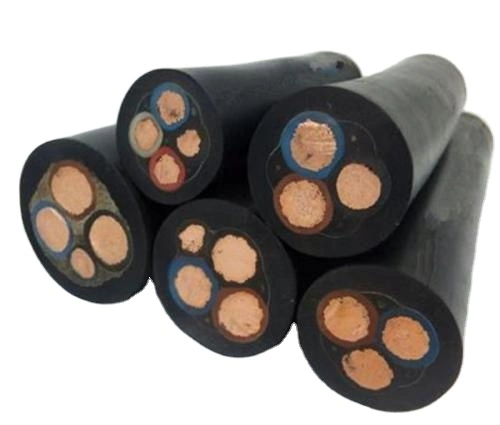
50 mm² Submersible Cables
Large industrial setups, major infrastructure projects, and high-capacity water systems.
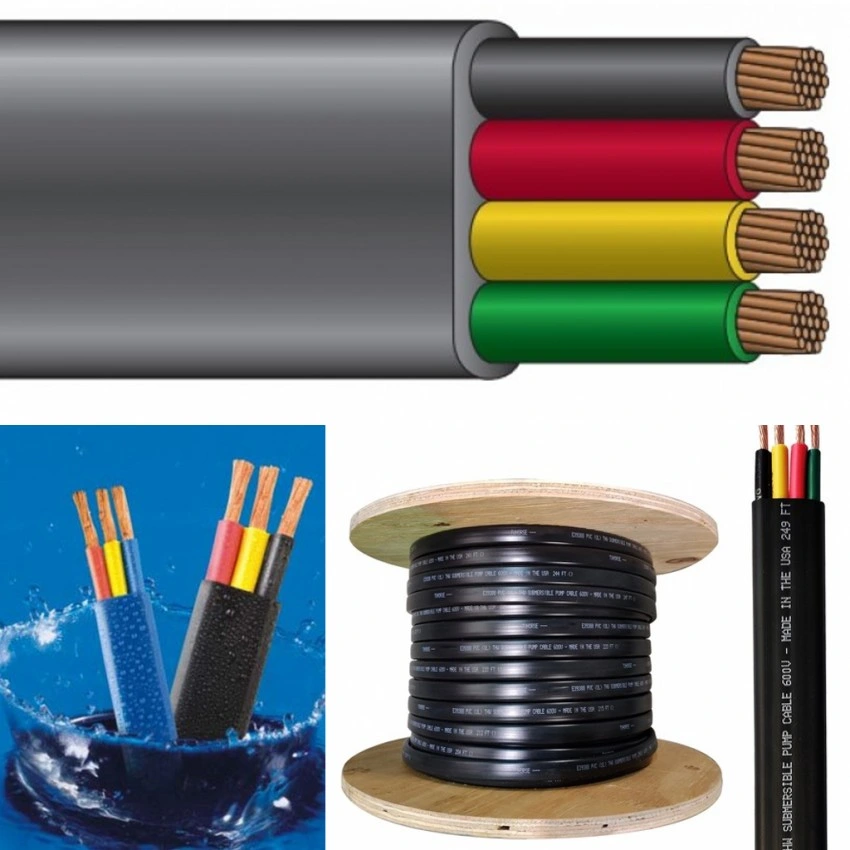
70 mm² Submersible Cables
Extensive industrial operations, large water treatment facilities, and high-demand power systems.
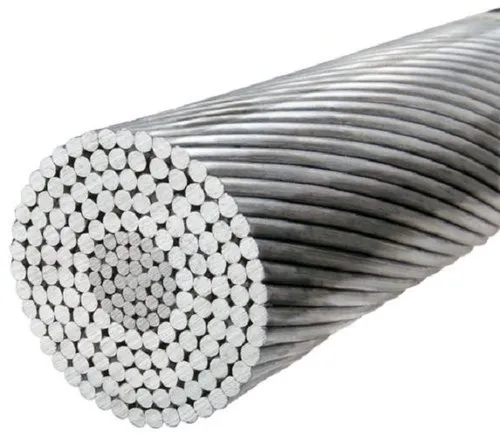
Cover Conductor O5
O5 conductors are a premium type of overhead conductor designed for high-performance and demanding electrical applications. They offer enhanced features compared to standard conductors, focusing on superior conductivity and strength. O5 conductors are built to meet the rigorous requirements of modern power systems, ensuring reliability and efficiency.
Cover Conductor O3
O3 conductors are a type of overhead conductor designed to offer reliable performance in various electrical transmission applications. They are engineered to provide a balance between electrical conductivity and mechanical strength. O3 conductors typically feature a combination of high-quality materials and advanced construction techniques to ensure efficiency and durability in power distribution systems.
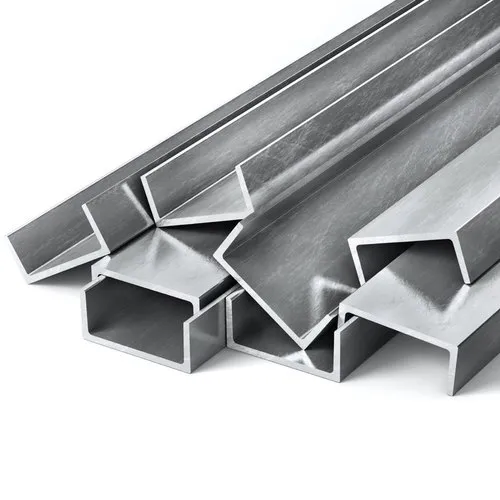
Channels
Channels are structural components used in the construction of transmission towers and supports. They are typically made from steel and are shaped like a channel to provide a stable framework for mounting other equipment and fixtures. Channels support and secure various components, including insulators and conductors.
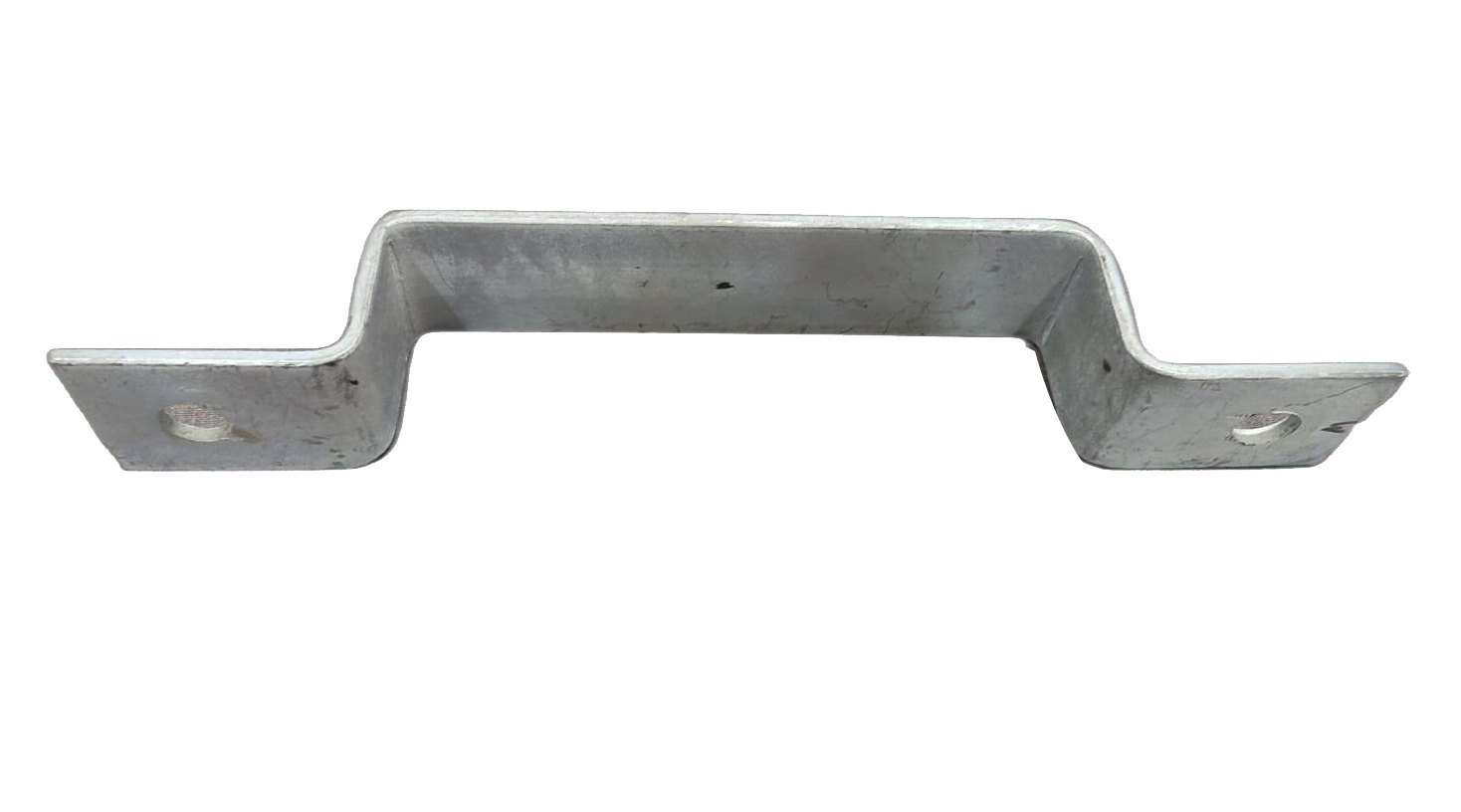
Pole Clamp
Pole clamps are hardware devices used to attach and secure electrical conductors and other components to poles or towers. They ensure a stable and secure connection, preventing movement and ensuring reliable electrical performance.
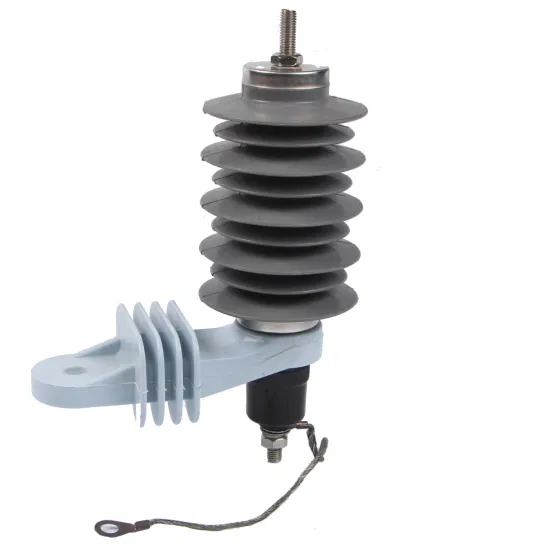
Lightning Arrestors
Lightning arrestors are devices designed to protect electrical systems from lightning strikes and surges. They divert high voltage away from sensitive equipment to the ground, preventing damage and ensuring system safety.
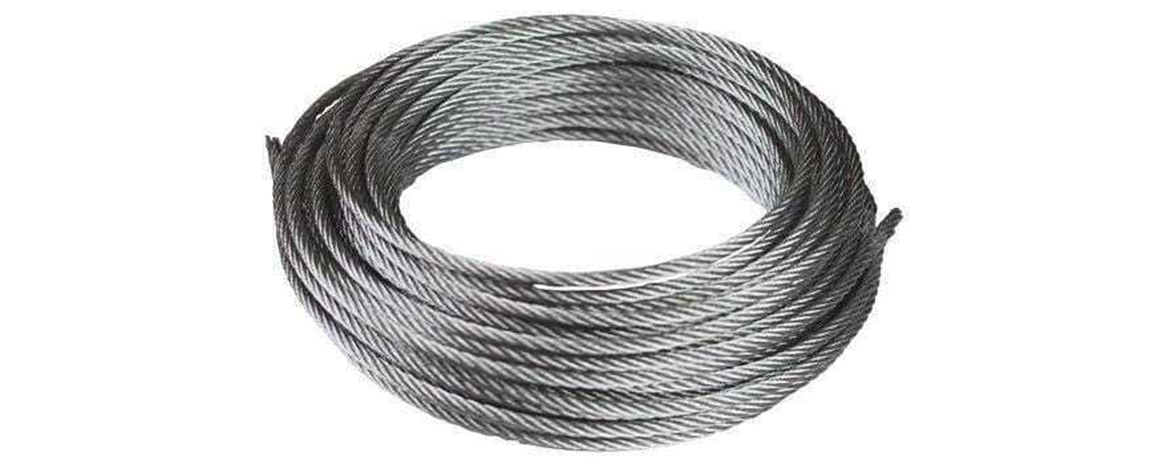
Stay Wire
Stay wires are tensioned cables used to stabilize and support transmission towers and poles. They prevent leaning and maintain structural integrity by counteracting the forces exerted on the towers.
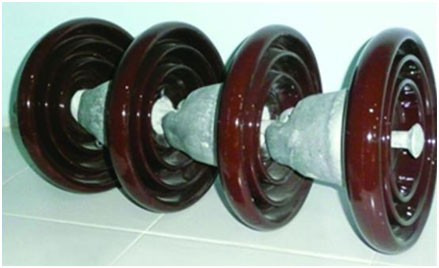
Disc Insulators
Disc insulators are used to support and insulate electrical conductors on transmission lines. They consist of multiple ceramic or polymer discs stacked together, providing electrical isolation and mechanical support.
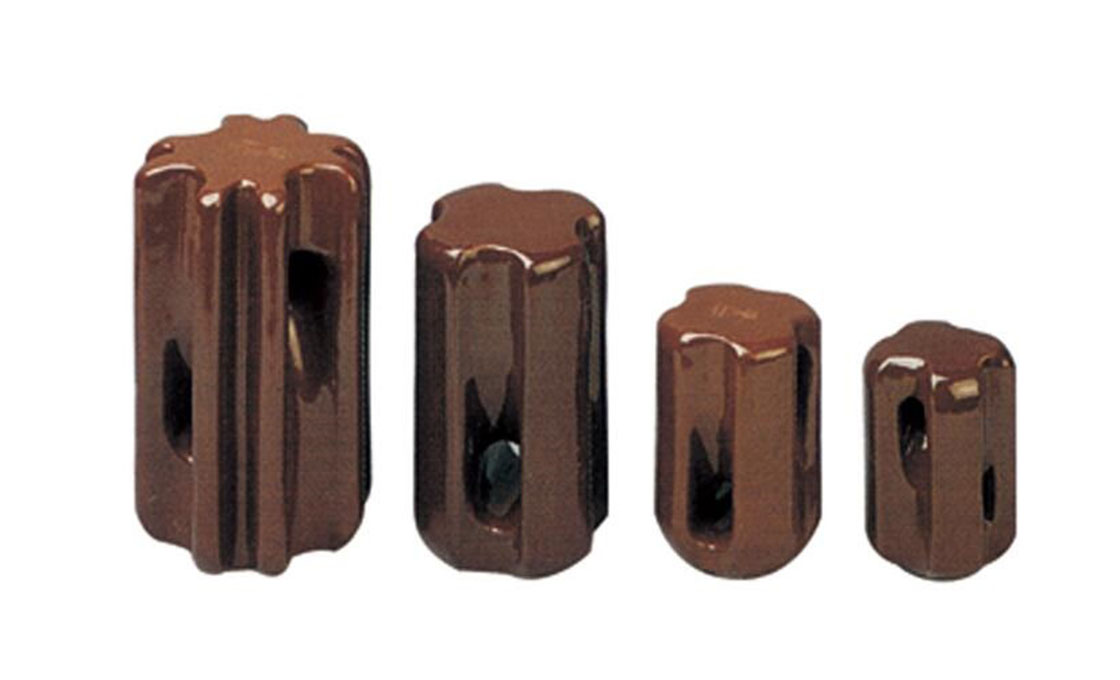
Stay Insulators
Stay insulators are used in conjunction with stay wires to provide electrical isolation and prevent electrical current from flowing through the stay wires. They are typically made from ceramic or polymer materials.
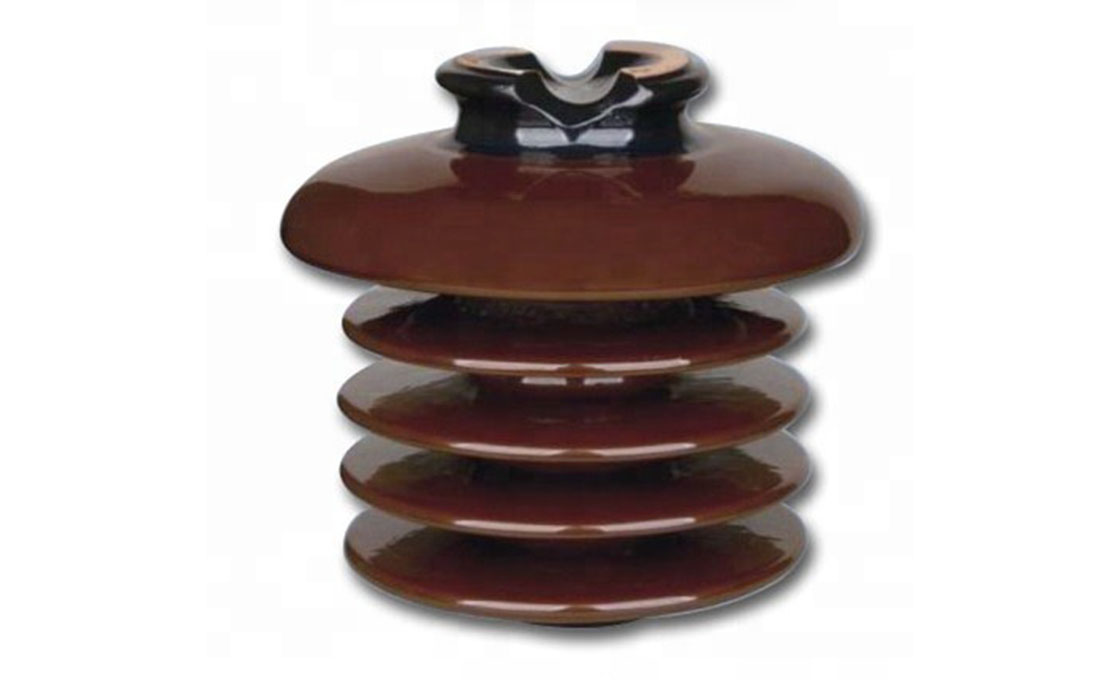
Pin Insulators
Pin insulators are used to support electrical conductors on utility poles. They are mounted on a pin or bolt and provide electrical insulation between the conductor and the pole.
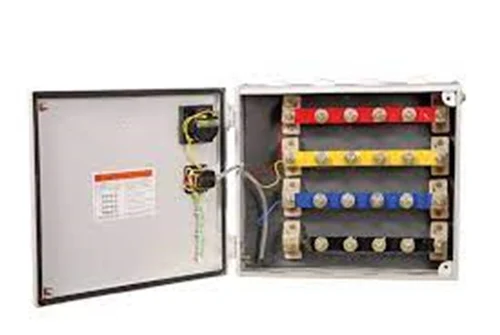
Copper Busbar Control Panels
Copper busbars are conductive bars used in electrical systems to distribute and manage electrical power efficiently. Made from high-quality copper, they offer excellent conductivity and are used to connect multiple circuits and electrical devices.
Soft-Starter Control Panels
A soft-starter is an electronic device used to gradually ramp up the voltage and current to an electric motor, reducing the inrush current and mechanical stress during startup.
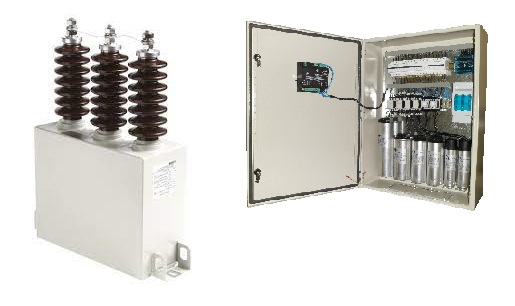
Capacitor Bank
A capacitor box contains multiple capacitors used to improve the power factor of an electrical system. By compensating for inductive loads, it helps in reducing reactive power and improving overall system efficiency.
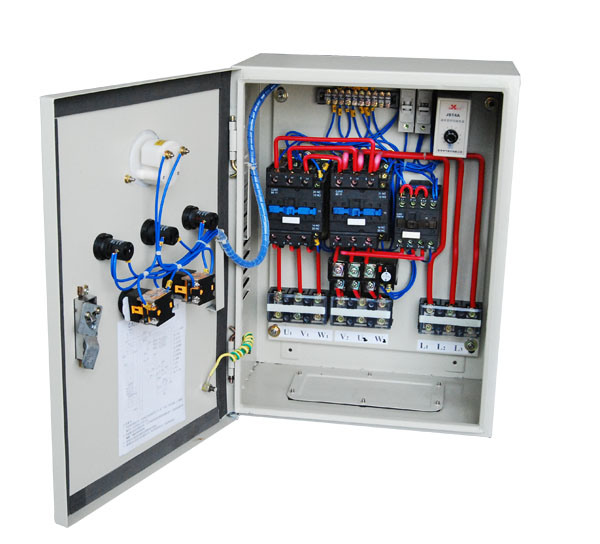
Start-Delta Control Panel
A star-delta starter is a type of motor starter used to reduce the starting current of an induction motor. It initially starts the motor in a star configuration, which reduces the voltage and current, and then switches to a delta configuration for normal running.
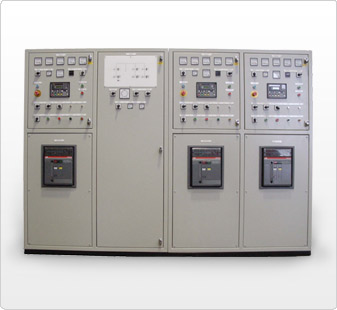
Changeover Control Panel
A changeover control panel is an electrical panel designed to manage the switching between two or more power sources, such as the main utility supply and a backup generator. It ensures that there is a seamless transition between power sources to maintain continuous power supply and protect critical systems from power interruptions.
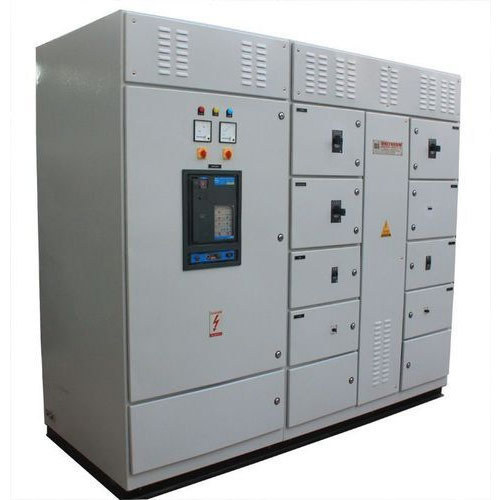
Main Distribution Panel Board
Main distribution panel boards are central hubs in an electrical distribution system that receive power from a utility or generator and distribute it to various circuits. They typically include circuit breakers or fuses to protect against overcurrent and short circuits.
Sub Distribution Panel Board
Sub-panels are used to distribute power to specific areas or branches of a building from the main panel board. They help to reduce the load on the main panel and provide additional circuit protection.
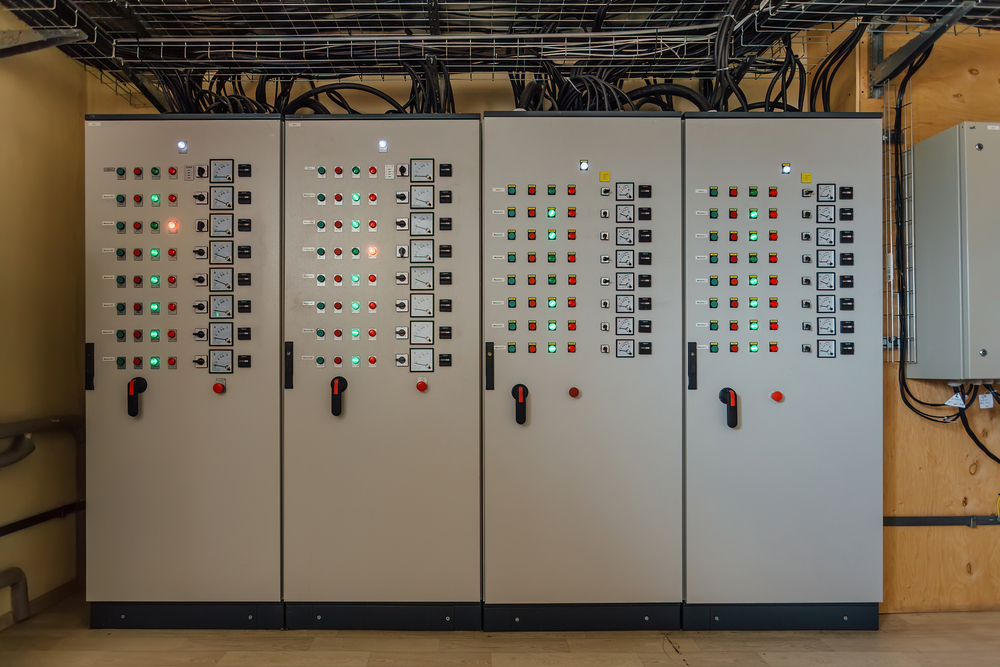
Lighting Panel Boards
Lighting panel boards are specifically designed to control and distribute power to lighting circuits. They often include dimmer switches and timers to manage lighting loads efficiently.
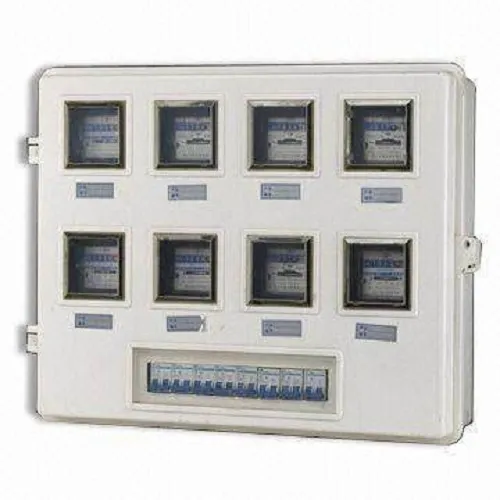
Metering Panel Boards
Metering panel boards are used to monitor and measure electrical consumption. They often include meters for tracking energy usage and other electrical parameters.
Generator Panel Boards
Generator panel boards are used in conjunction with backup generators to distribute power when the main power source is unavailable. They typically include transfer switches and automatic controls.
Solar Panels
Solar-powered irrigation is particularly advantageous in remote or off-grid areas where conventional power sources are unavailable or costly.
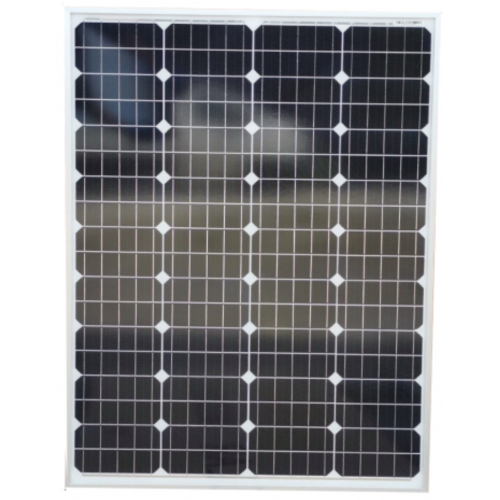
Solar Panels
Solar panels used in irrigation projects harness solar energy to power irrigation systems. These panels convert sunlight into electrical energy, which is then used to operate pumps, control systems, and other components of the irrigation system.
Solar Panels
Solar panels offer a reliable, cost-effective, and environmentally friendly solution for powering irrigation systems, contributing to efficient water management and sustainable agricultural practices.
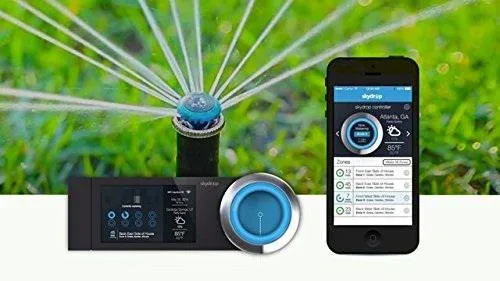
Smart Irrigation Controller
An advanced irrigation controller that uses sensors and data analytics to optimize watering schedules based on real-time conditions.Ideal for large-scale agricultural irrigation, parks, and commercial landscapes to enhance efficiency and water conservation.
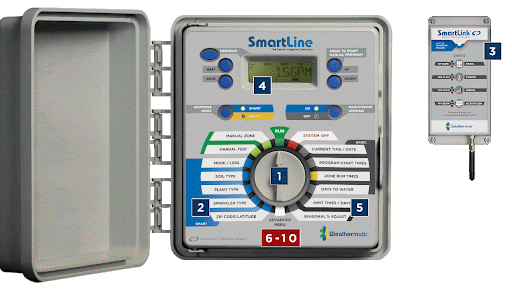
Irrigation Controller
Also known as an irrigation timer or irrigation management system, this device controls the watering schedule and duration for different zones in an irrigation system. Used in residential, commercial, and agricultural irrigation systems to automate watering and conserve water.
Flow Controller
Manages the flow of water through the irrigation system to ensure even distribution and prevent over watering.Used in agricultural fields and large irrigation systems to maintain consistent water flow and prevent wastage.
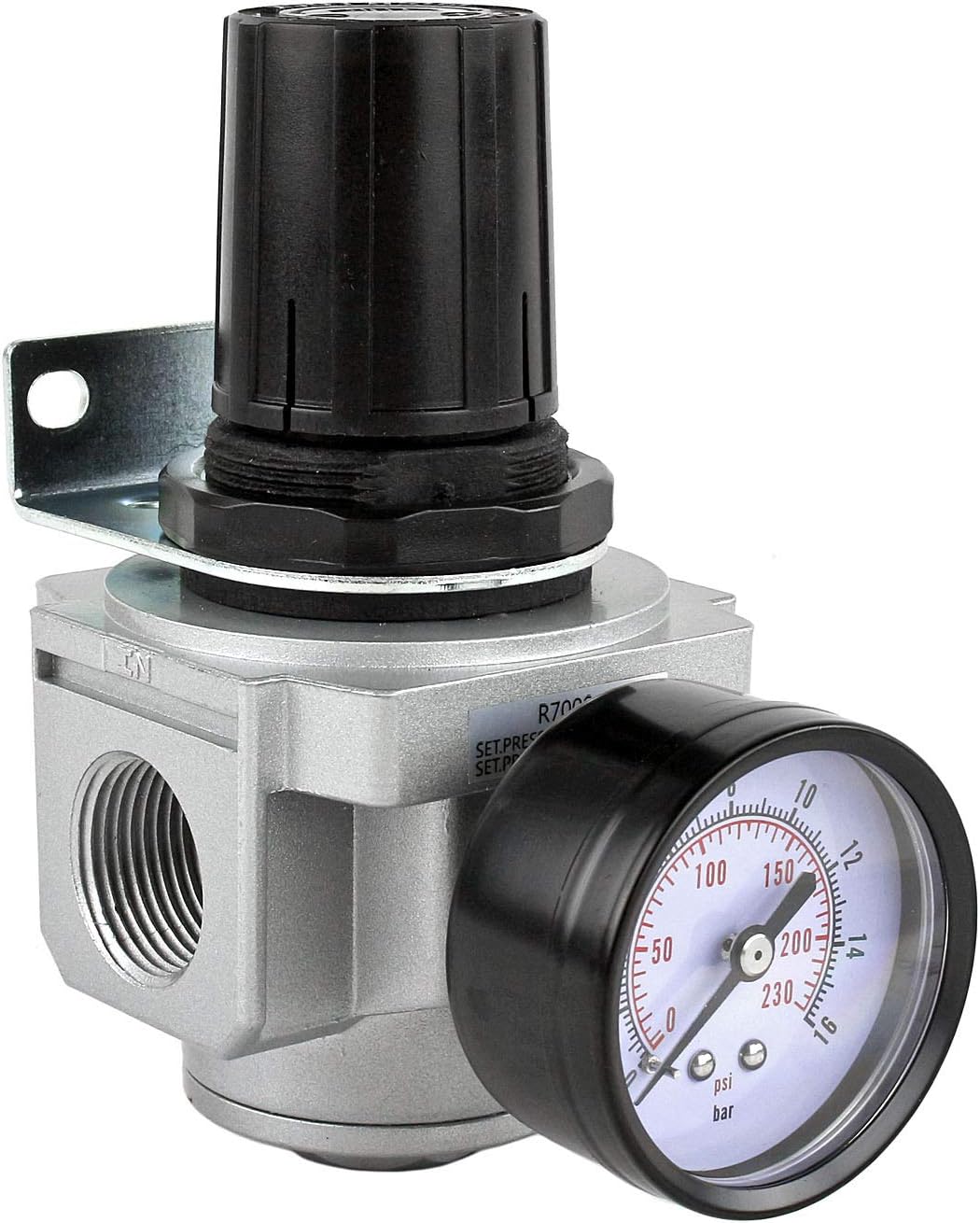
Pressure Regulator
Maintains consistent water pressure in the irrigation system to ensure optimal performance of sprinklers and drip emitters.Used in both residential and commercial irrigation systems to protect equipment and improve efficiency.
Digital Timer
An electronic timer with a digital display that provides precise control over watering schedules. Used in both residential and commercial irrigation systems for more flexible and precise control.
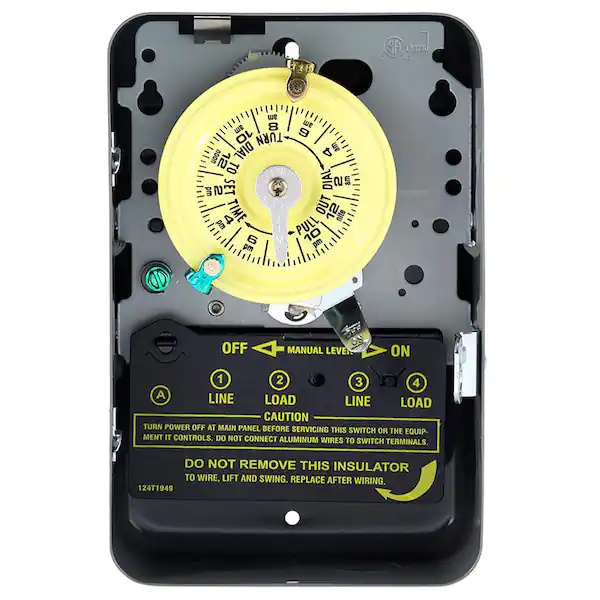
Mechanical Timer
A basic timer that uses a mechanical dial to control the on/off cycles of the irrigation system.Suitable for small-scale residential irrigation systems.
EC (Electrical Conductivity) Sensors
EC sensors measure the electrical conductivity of the soil or water, which indicates the concentration of dissolved salts and nutrients.Provides data to adjust fertilizer applications and water usage.
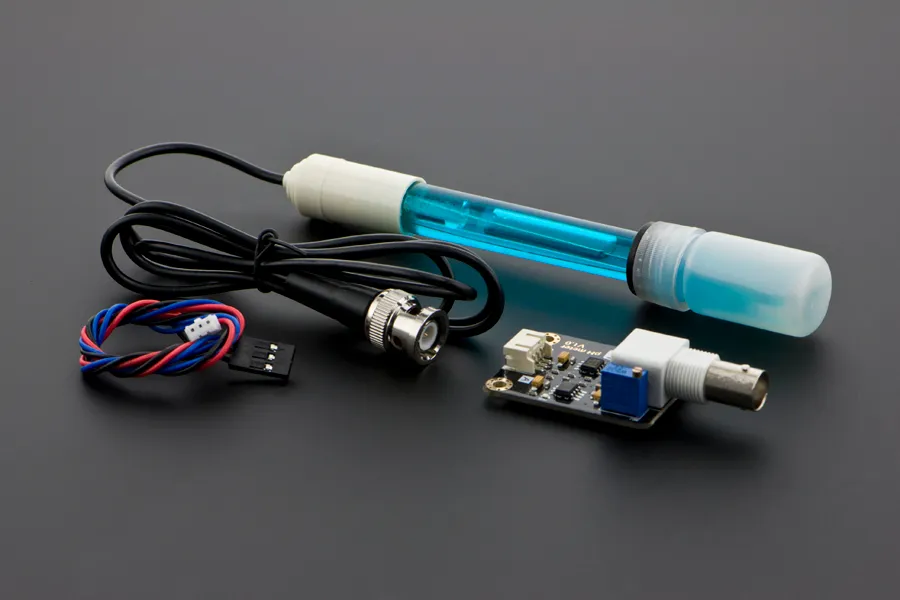
pH Sensors
pH sensors measure the acidity or alkalinity of the soil or water. They help in ensuring that water quality is suitable for plant health.
Flow Sensors
Flow sensors measure the rate of water flow in the irrigation system. They help in monitoring system performance and detecting leaks.
Weather sensors
Weather sensors monitor various meteorological parameters such as temperature, humidity, wind speed, and solar radiation. This data helps adjust irrigation schedules based on current and forecasted weather conditions.
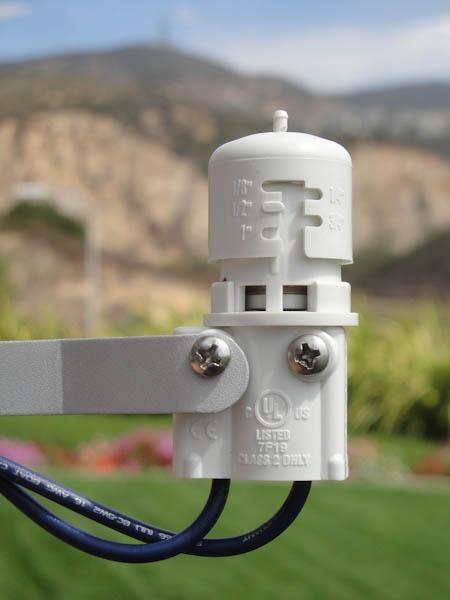
Rain Sensors
Rain sensors detect rainfall and can signal the irrigation system to suspend or delay watering during or after rain events.
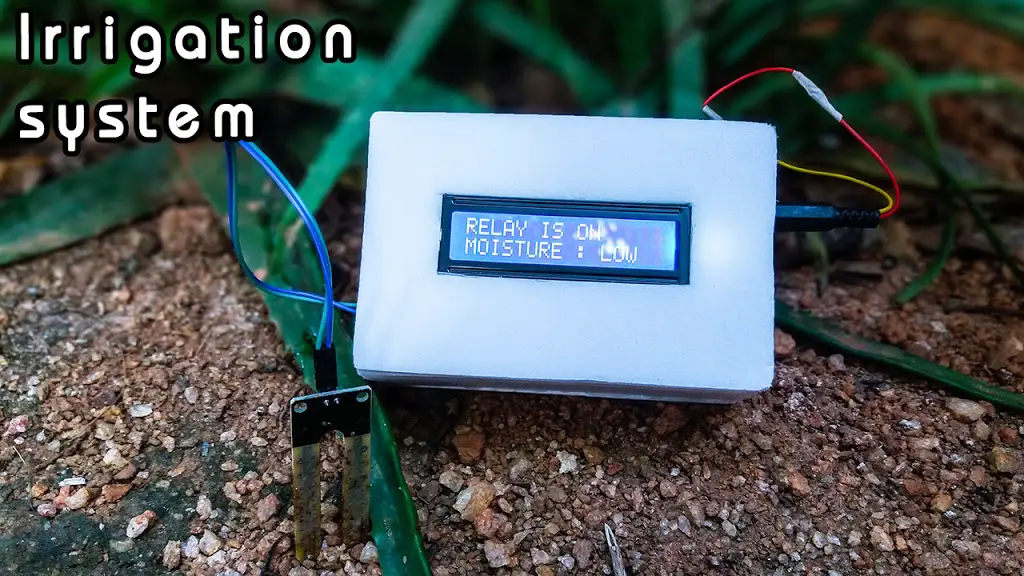
Soil Moisture Sensors
Soil moisture sensors measure the amount of moisture present in the soil. They help determine when irrigation is needed and how much water to apply.
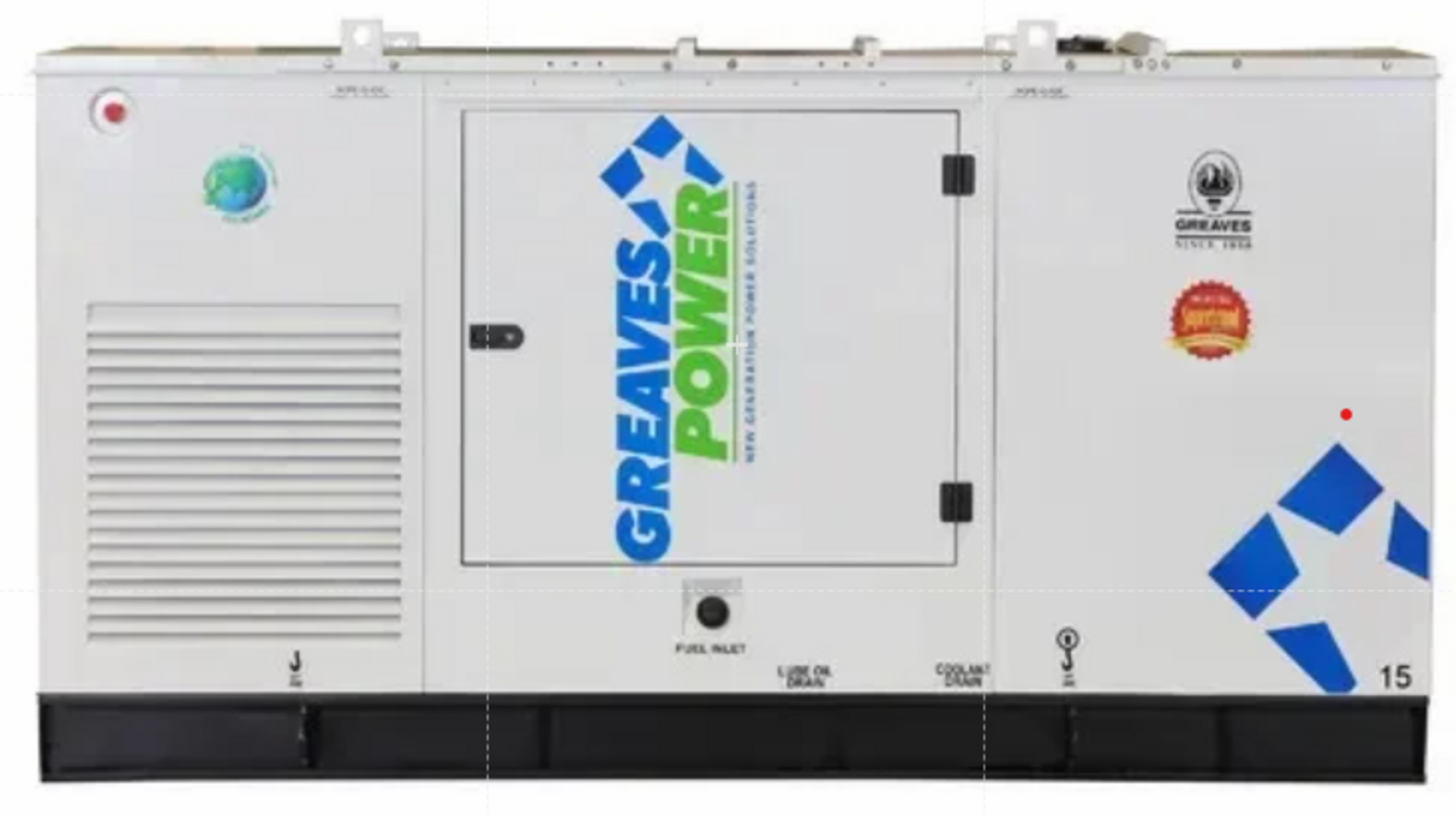
62.5KV Greivs Generator
The Greivs Generator offers a reliable and efficient power solution for various applications. Designed to meet diverse energy needs, it delivers consistent power output whether for residential, commercial, or industrial use. With multiple capacity options available, it caters to a wide range of requirements.
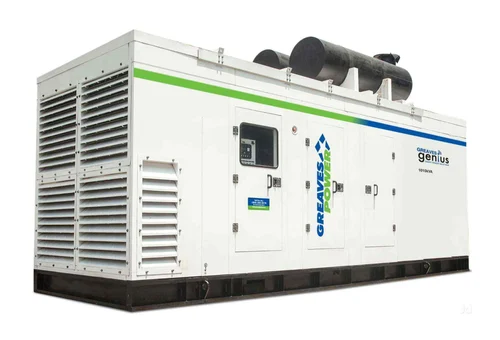
500KV Greivs Generato
Featuring a user-friendly interface and essential safety features, the Greivs Generator is easy to operate and maintain. It also boasts portability for convenient use in different locations, providing a versatile power solution wherever it’s needed.
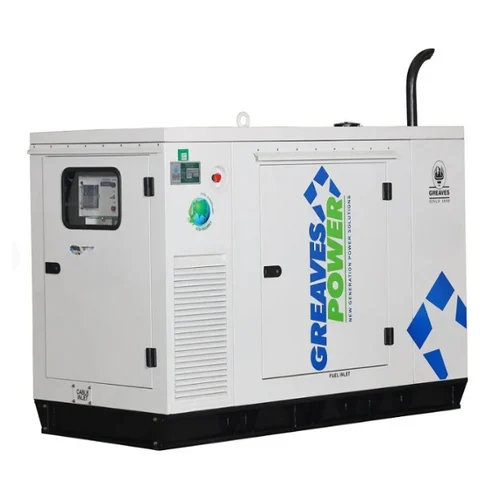
30KV Greivs Generato
Built for durability and fuel efficiency, the Greivs Generator ensures long-term performance with minimal operational costs. Its high-quality construction can withstand challenging conditions, making it a dependable choice for both permanent and temporary setups.
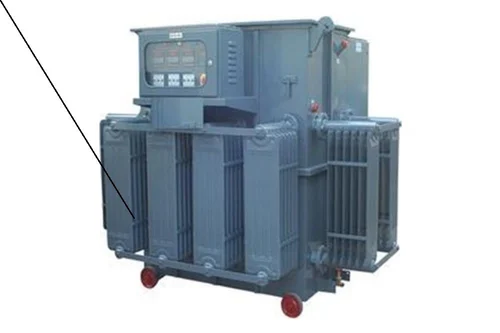
Servo Stabilizers 500Kva
A stabilizer is a device designed to regulate and stabilize voltage levels in electrical systems, ensuring that connected equipment receives a consistent and safe power supply. It protects sensitive electronics and appliances from voltage fluctuations, surges, and sags that can cause damage or reduce their lifespan.
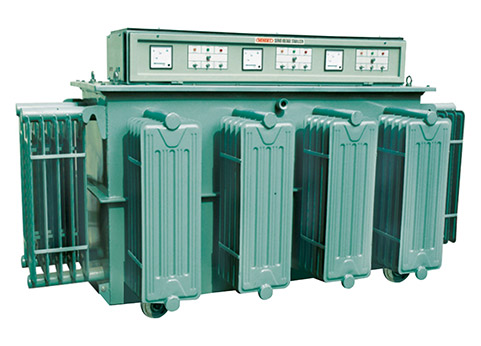
Servo Stabilizers 1000Kva
Built with advanced circuitry, a stabilizer automatically adjusts voltage levels to maintain a steady output, safeguarding your devices from electrical disturbances. It is essential for maintaining the optimal performance of electrical equipment, especially in areas with unstable power supplies.
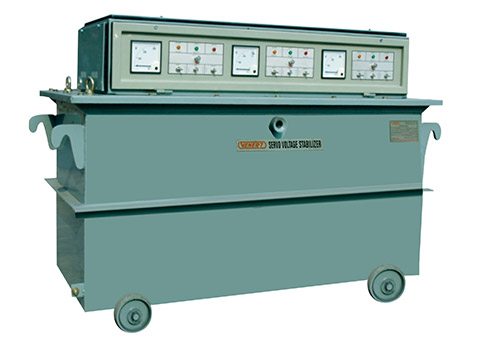
Servo Stabilizers 100Kva
Compact and easy to install, stabilizers come in various capacities to suit different power requirements. They offer a reliable solution for homes, offices, and industrial settings, providing peace of mind by ensuring the stability and longevity of your electrical systems.
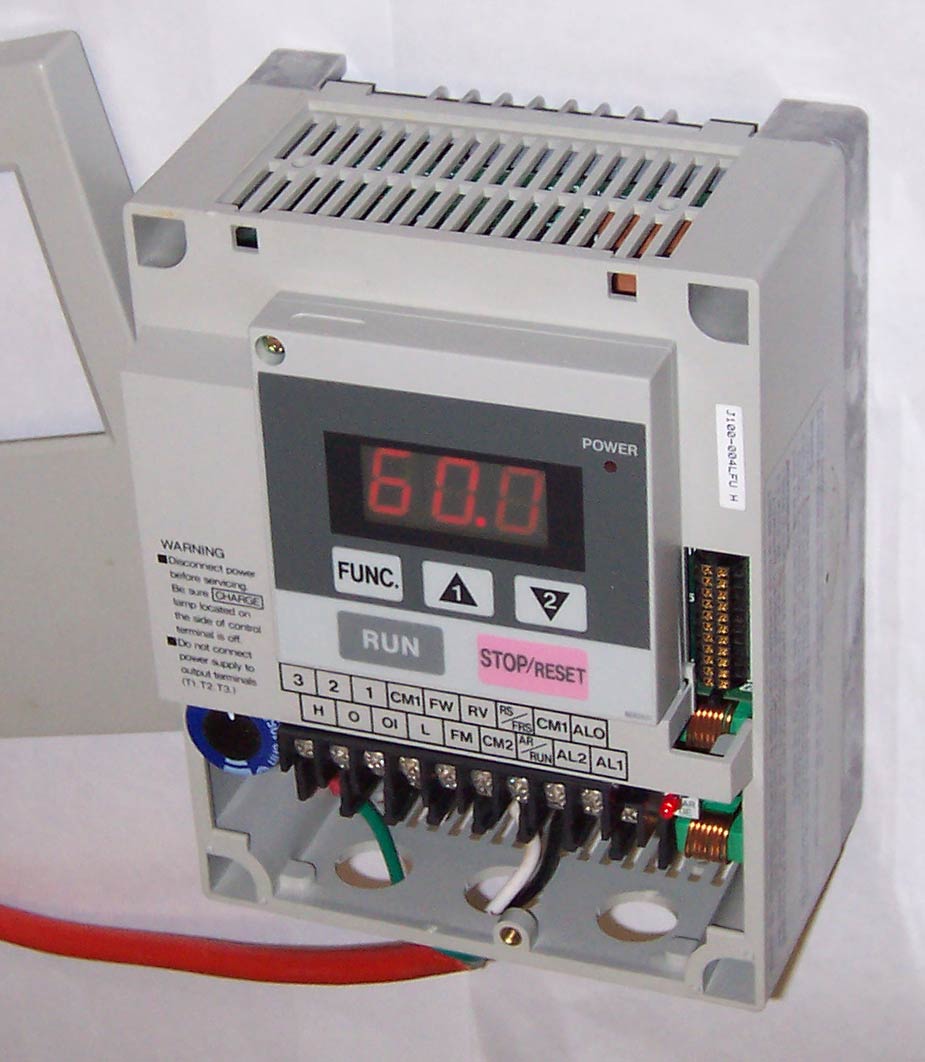
VFDs
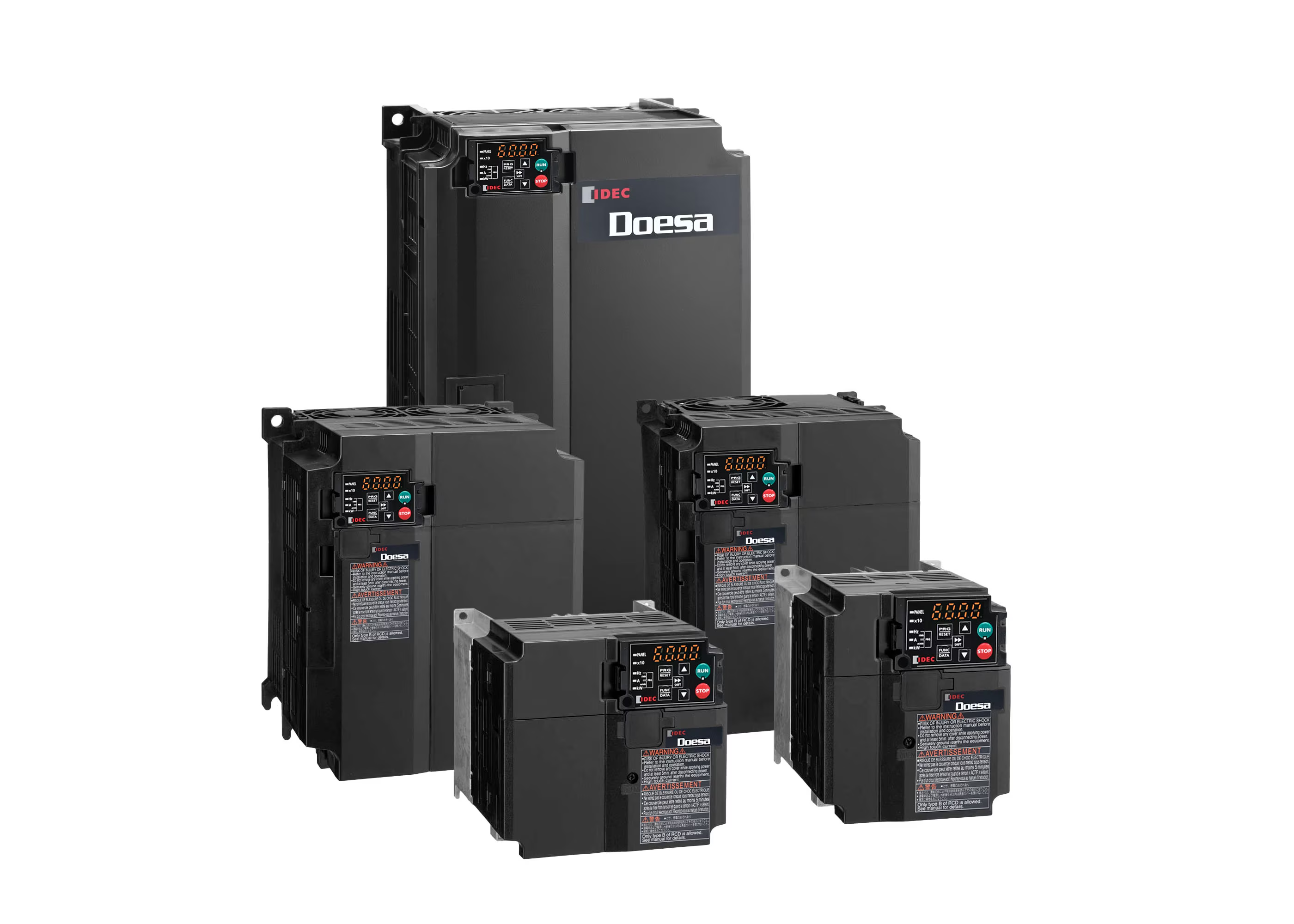
Variable Frequency Drives (VFDs) are essential components in modern motor control systems. They allow for precise control over motor speed and torque by adjusting the frequency and voltage of the electrical supply. This capability enhances the efficiency and performance of various industrial and commercial applications, from HVAC systems to conveyor belts.
VFDs
VFDs contribute to energy savings by optimizing motor operation according to demand, reducing energy consumption and operational costs. They also improve system performance and extend the lifespan of motors and equipment by minimizing wear and tear caused by frequent start-stop cycles and high-speed operations.
VFDs
Designed for ease of integration and operation, VFDs come with user-friendly interfaces and advanced features such as programmable settings and diagnostic tools. Their versatility makes them suitable for a wide range of applications, ensuring reliable and efficient motor control in diverse environments.
Jet Pumps
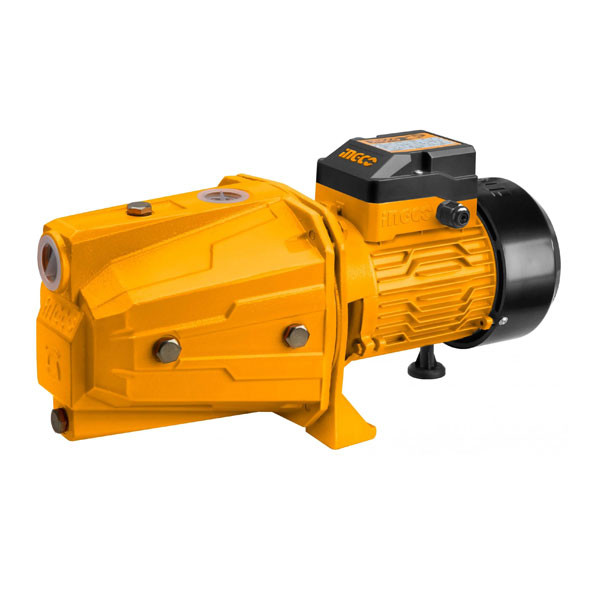
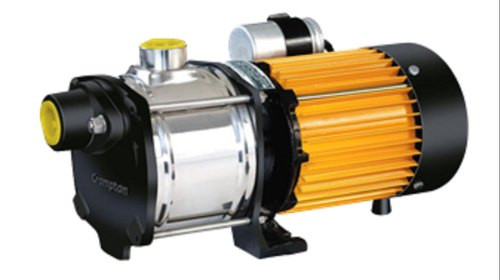
Jet pumps are widely used for drawing water from shallow and deep wells in residential, agricultural, and industrial settings.
Jet Pumps
In agriculture, jet pumps help in irrigating fields by pumping water from underground sources or reservoirs to fields and crops.
Gasoline pumps
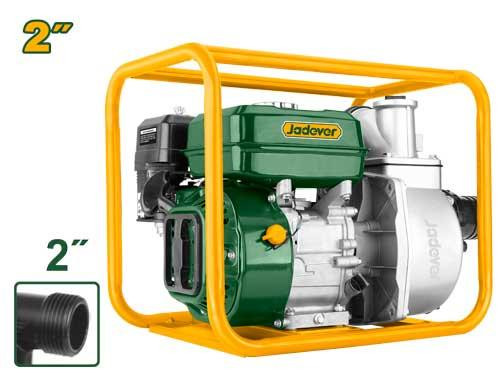
Gasoline pumps are essential for filling gasoline tanks, refueling vehicles, and supplying gasoline to industrial facilities.
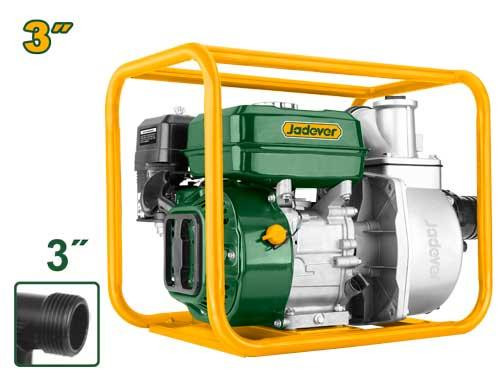
Gasoline pumps
Gasoline pumps come in various capacities, sizes, and styles to suit various applications, such as filling gasoline tanks, refueling vehicles, and supplying gasoline to industrial facilities.